Russian students invent unbreakable 3D-printed drone propellers to cut import reliance
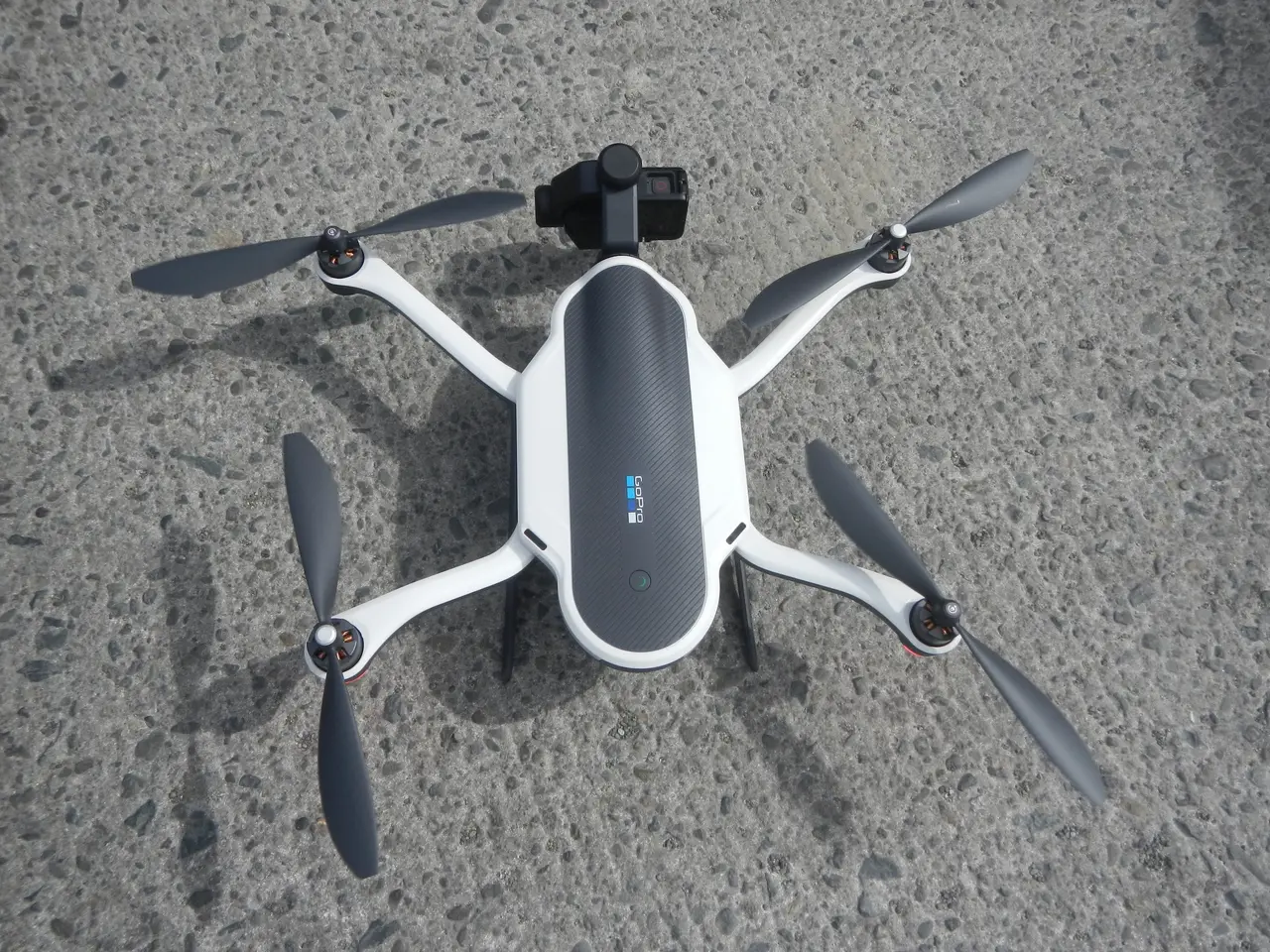
Russian drone manufacturers have long struggled with a shortage of durable, high-performance propellers for FPV and LTE drones. These components, often imported, limit the industry’s ability to produce reliable unmanned aerial systems. Now, students at Moscow Aviation Institute (MAI) have developed a new manufacturing method that could solve this problem. The project began as part of a 2026 pilot program aimed at modernising higher education at MAI. A team of graduates from the university’s Institute of Economics and Management in High-Tech Industries took the lead, working as a startup to address the propeller shortage.
Current propellers typically last around 100 hours, with many failing after just three hard landings. The new method involves 3D-printing the propeller and reinforcing its base with multiple layers of fiberglass, each designed for specific properties. This approach boosts rigidity and impact resistance while keeping production costs low and fabrication straightforward.
The team has already produced and tested initial prototypes, confirming the technology’s effectiveness. FPV drones, which transmit real-time video to pilots wearing VR goggles, rely on such propellers for racing, extreme maneuvers, and dynamic filming. Meanwhile, LTE drones use cellular networks for long-range tasks like territorial monitoring, mapping, and search-and-rescue missions. The innovation could reduce dependence on imported components and extend the lifespan of drone propellers. With successful testing completed, the next step will involve scaling production for wider industry use. The breakthrough also highlights how university-led research can directly address real-world industrial challenges.
Read also:
- Executive from significant German automobile corporation advocates for a truthful assessment of transition toward electric vehicles
- Crisis in a neighboring nation: immediate cheese withdrawal at Rewe & Co, resulting in two fatalities.
- United Kingdom Christians Voice Opposition to Assisted Dying Legislation
- Democrats are subtly dismantling the Affordable Care Act. Here's the breakdown