Charity shop may scrap donation bins after surge in filthy, unusable goods
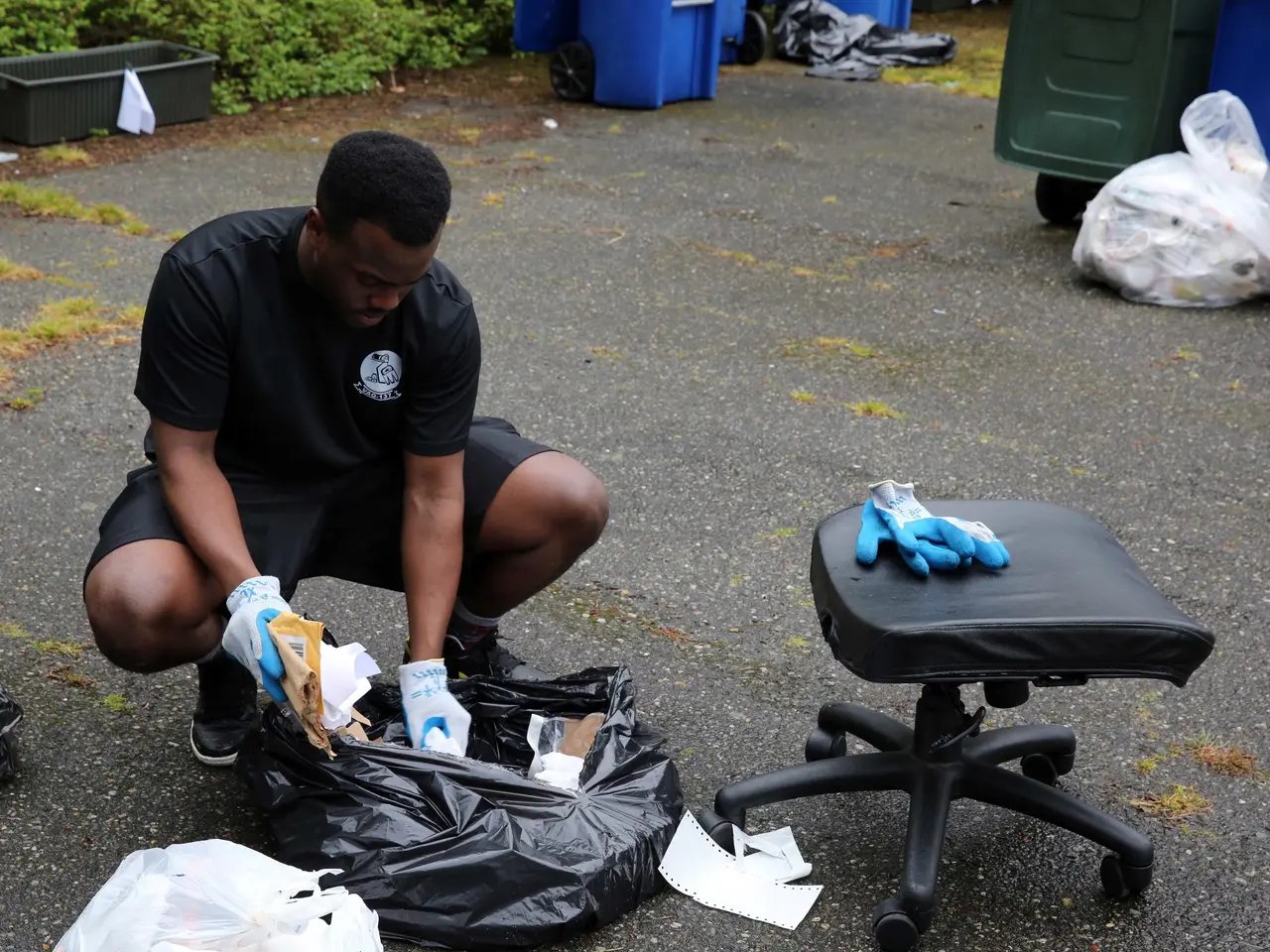
Lieblingsecke, a charity shop focused on reusing second-hand items, is facing major challenges with clothing donations. The organisation has announced it may remove its donation container after receiving too many unusable and contaminated items. Staff now spend time and money dealing with waste instead of reselling goods. The problem has grown so severe that Lieblingsecke recently spent around €1,000 in disposal fees. In just one week, two full containers of waste had to be removed. Most donated items—around 90%—are unfit for sale, including old curtains, soiled shoes, and even urine-soaked clothing.
Contaminated goods, such as used incontinence pads and household rubbish, often arrive mixed with potentially reusable items. Staff must sort through these donations, a task described as disgusting and dehumanising. Many items that could have been reused end up in the bin due to contamination, defeating the shop’s mission of reducing landfill waste. To address the issue, Lieblingsecke may stop accepting donations via the container. Instead, they will ask donors to bring items directly to the store during opening hours. The shop is open Tuesdays from 10 a.m. to 6 p.m., Wednesdays and Thursdays from 10 a.m. to 2 p.m., and Fridays from 2 p.m. to 6 p.m. As part of Germany’s National Volunteer Day on May 22, the team will offer a behind-the-scenes look at their operations between 10 a.m. and 2 p.m.
The charity now faces higher disposal costs and wasted effort due to poor-quality donations. By changing how donations are accepted, Lieblingsecke hopes to improve the quality of items for resale. The move aims to keep more goods in circulation and reduce unnecessary waste.
Read also:
- Executive from significant German automobile corporation advocates for a truthful assessment of transition toward electric vehicles
- Crisis in a neighboring nation: immediate cheese withdrawal at Rewe & Co, resulting in two fatalities.
- United Kingdom Christians Voice Opposition to Assisted Dying Legislation
- Democrats are subtly dismantling the Affordable Care Act. Here's the breakdown