Zambia overhauls tech ministry to drive 2031 economic ambitions
According to the Ministry, the initiative aligns with national development priorities and reflects its commitment to enhancing efficiency, accountability, and responsiveness to emerging technological advancements.
The Ministry of Technology and Science in Zambia has commenced the development of its 2026 organisational structure as part of broader efforts to strengthen institutional capacity and improve service delivery across the sector.
According to the Ministry, the initiative aligns with national development priorities and reflects its commitment to enhancing efficiency, accountability, and responsiveness to emerging technological advancements. The exercise is aimed at ensuring that the Ministry is better positioned to deliver on its expanding mandate, which now includes areas such as artificial intelligence, digital infrastructure, data protection, and innovation systems.
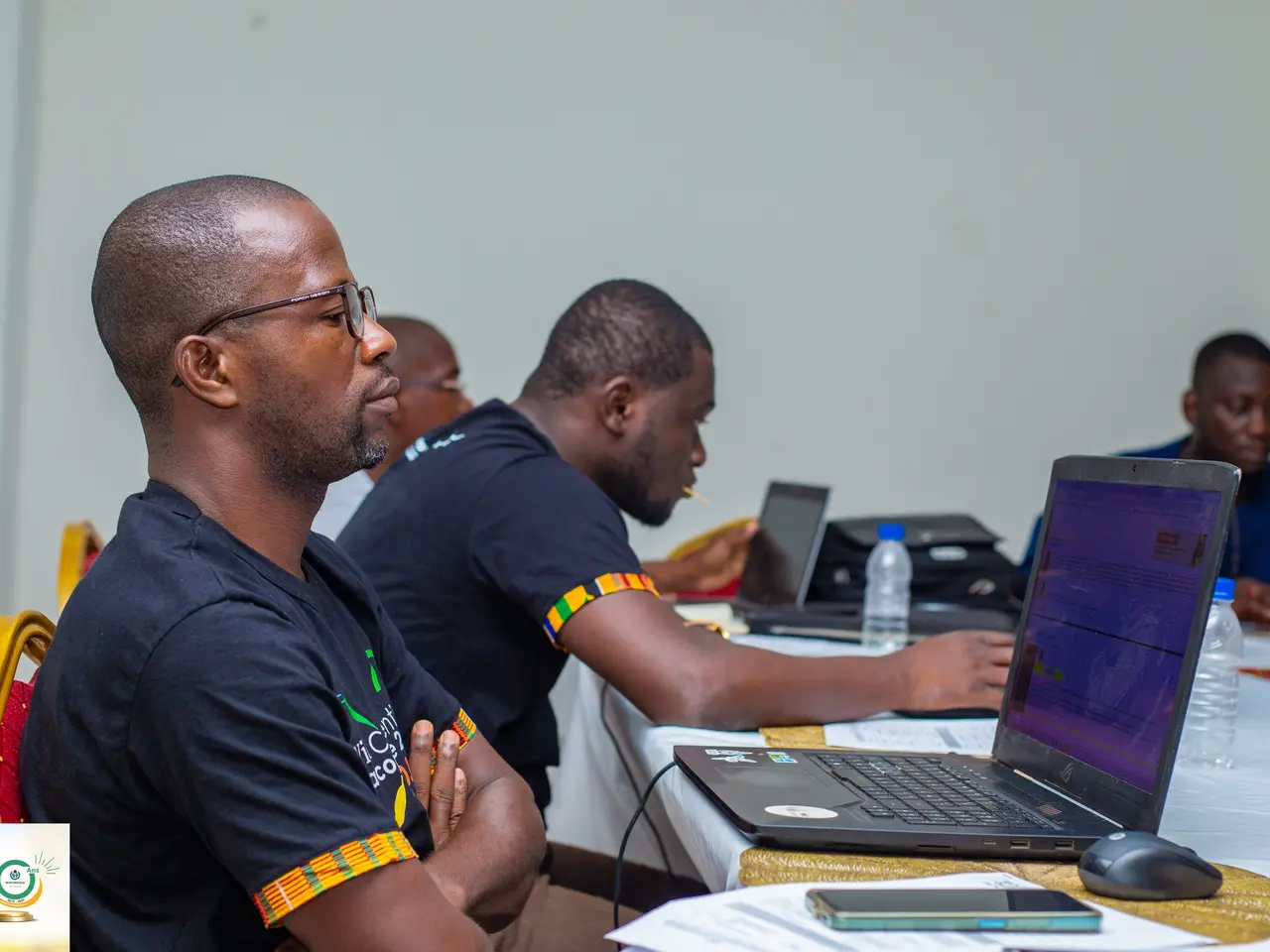
Speaking at the official opening of the exercise, Permanent Secretary Eng. Dr. Brilliant Habeenzu emphasized the importance of designing a fit-for-purpose structure that supports national development goals. He noted that the Ministry's structure must be guided by institutional needs rather than individual interests, stressing the need for objectivity and effectiveness in the process.
Dr. Habeenzu also highlighted the importance of proper workload distribution across departments, warning that imbalances could negatively affect performance and service delivery. He pointed out that since its establishment in 2021, the Ministry has taken on an expanded role in advancing science, technology, and innovation as key drivers of economic growth.
He further noted that the proposed organisational reforms are essential in supporting Zambia's ambition of building a US$60 billion economy by 2031. The new structure is expected to help the Ministry respond more effectively to technological changes while promoting innovation across key sectors such as agriculture, mining, and industry.
A review of the current structure revealed several challenges, including misalignment of roles, limited operational capacity, gaps in technical expertise, and missing funded positions. The new structure seeks to address these issues by improving coordination, strengthening governance, enhancing policy implementation, and reinforcing monitoring and evaluation systems.
The reform will also focus on improving data management, procurement processes, and public communication, ensuring that the Ministry operates more efficiently and delivers measurable results. Dr. Habeenzu emphasized the need for stronger alignment between policy development and implementation, particularly in initiatives such as the Artificial Intelligence Strategy.
The proposed restructuring will increase the Ministry's establishment from 155 to 258 positions, with an estimated additional annual cost of K15.9 million. While acknowledging the financial implications, the Permanent Secretary described the investment as necessary to enhance institutional effectiveness and support government programmes.
He concluded by urging all stakeholders involved in the process to actively participate and contribute to developing a structure that reflects the Ministry's strategic direction and evolving responsibilities.
Read also:
- Executive from significant German automobile corporation advocates for a truthful assessment of transition toward electric vehicles
- Crisis in a neighboring nation: immediate cheese withdrawal at Rewe & Co, resulting in two fatalities.
- United Kingdom Christians Voice Opposition to Assisted Dying Legislation
- Democrats are subtly dismantling the Affordable Care Act. Here's the breakdown