NIH's 2025 grant cuts devastate women and early-career researchers most
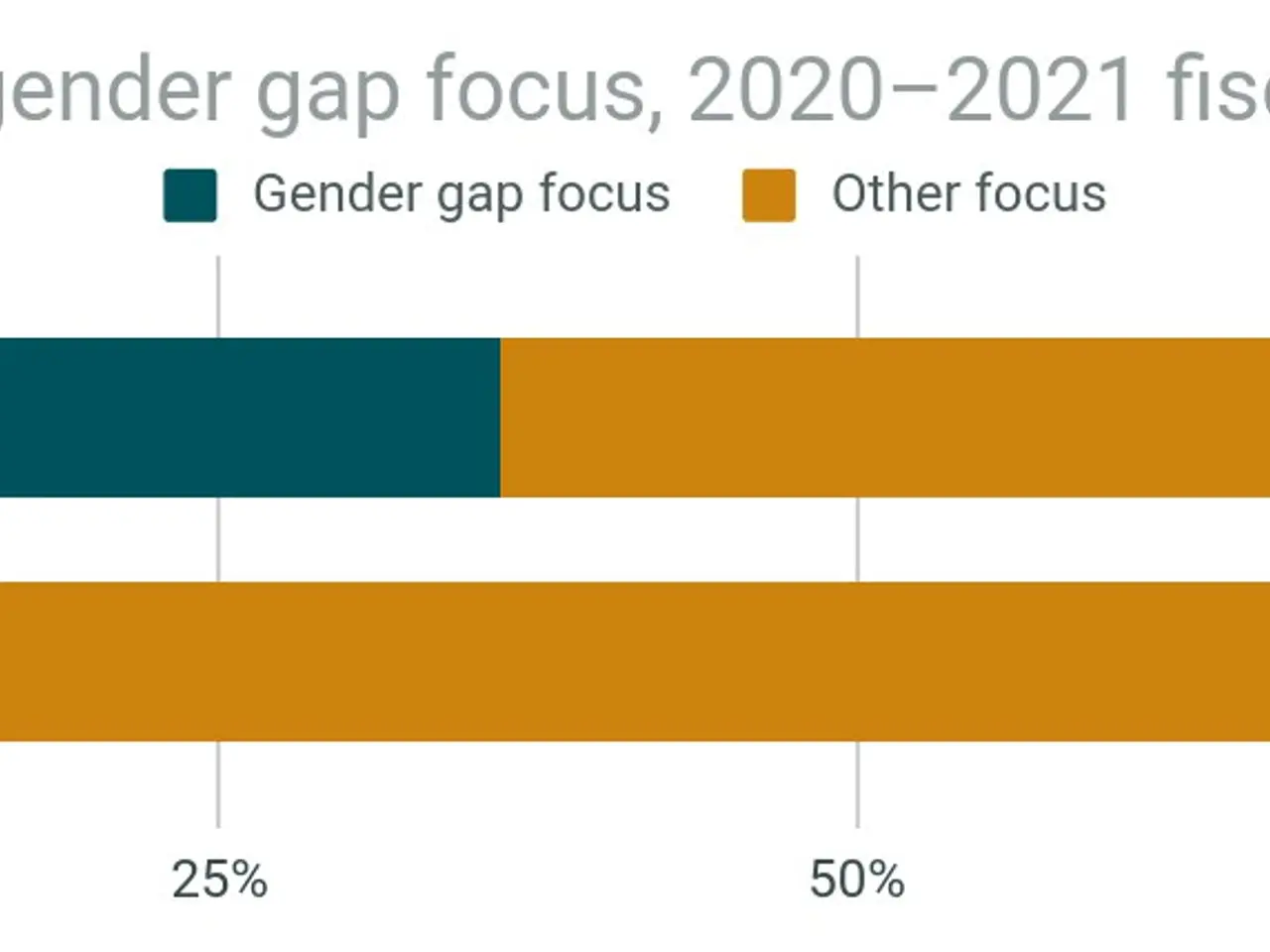
Women and early-career investigators were disproportionately impacted by the thousands of National Institutes of Health grant terminations in 2025, according to a new analysis. Published in Proceedings of the National Academy of Sciences, the study determined that women's projects were 'smaller on average, had a larger share of unspent funds at cancelation, and were more concentrated in training and transition awards.'
Gender differences were especially pronounced among early-career investigators, the study found, and women in general had a larger share of active resources at cancellation (57.9 percent versus 48.2 percent for men). Consequently, 'women lost a greater portion of unrealized scientific output,' wrote the study's authors, including lead Diego F. M. Oliveira, assistant professor of electrical engineering and computer science at the University of North Dakota.
While available data can't determine downstream causal effects, the authors wrote, 'NIH economic multipliers suggest a potentially large unrealized loss to the U.S. research enterprise.'
A separate recent survey of 367 NIH-funded scientists in Massachusetts by The Boston Globe and MassINC Polling Group found that 69 percent had counseled their students against pursuing jobs in academia in light of current conditions. Some 59 percent had encouraged students to consider opportunities outside the U.S. Most also reported delayed hiring processes and layoffs of postdoctoral researchers or staff at their institution due to NIH cuts.
Read also:
- Executive from significant German automobile corporation advocates for a truthful assessment of transition toward electric vehicles
- Crisis in a neighboring nation: immediate cheese withdrawal at Rewe & Co, resulting in two fatalities.
- United Kingdom Christians Voice Opposition to Assisted Dying Legislation
- Democrats are subtly dismantling the Affordable Care Act. Here's the breakdown