Why Digital Skill Badges Are Replacing Traditional Certificates
A skill badge is a digital credential that signals proficiency in a specific skill area. It should be tied to transparent criteria and a method for verification so a third party can understand what was required to earn it.
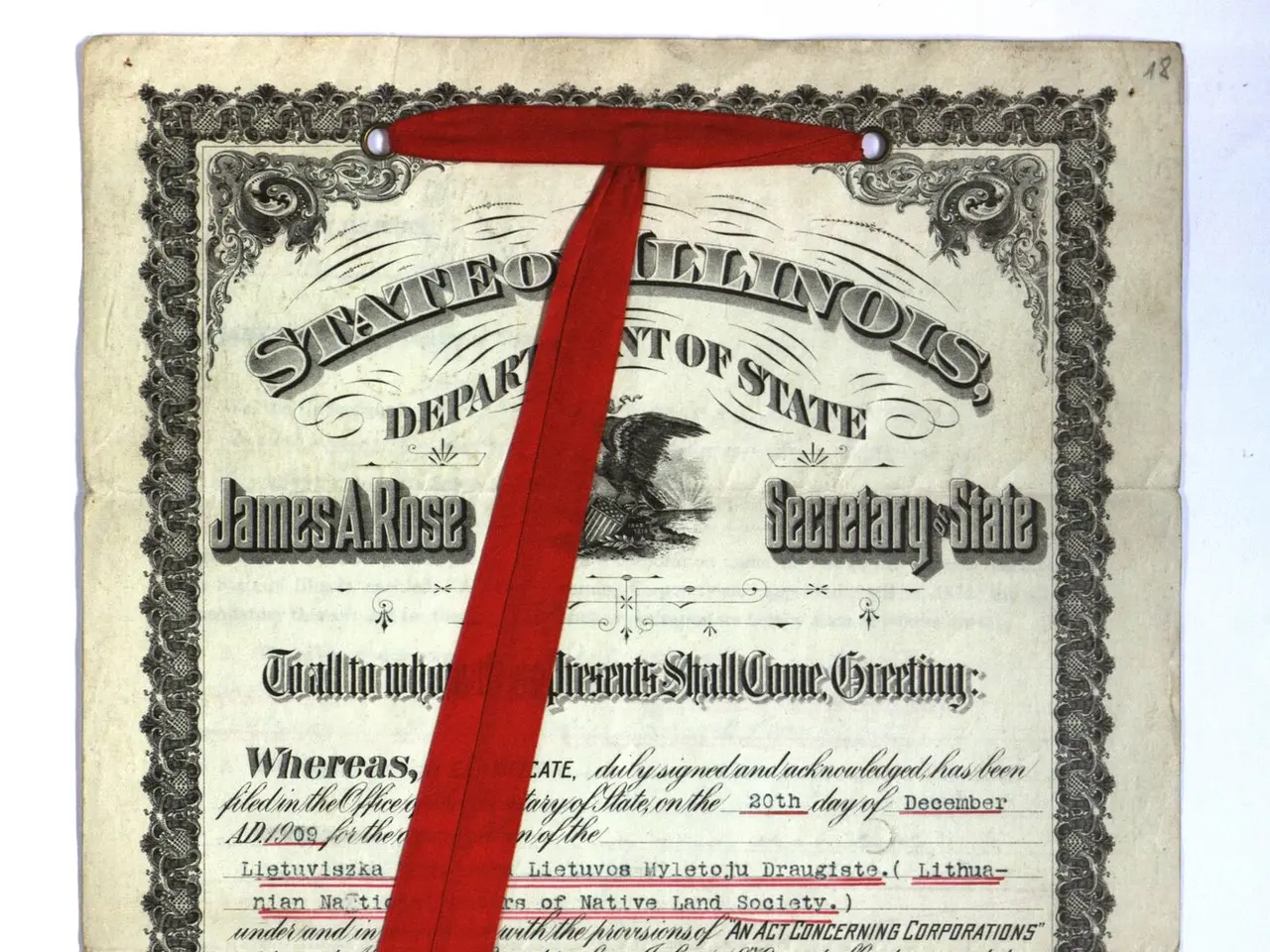
A certificate of completion usually indicates that a learner finished a course, program, or required activities. It may not prove mastery; it proves completion unless paired with an assessment standard you can explain and verify.
In practice, many organizations use both: certificates for participation milestones and badges for demonstrated skills. The key difference is the decision the credential supports: 'they completed it' vs 'they can do it.'
When to use skill badges vs a certificate of completion
Use this as a decision lens: what risk is the credential meant to reduce? If the credential will influence hiring, staffing, promotion, partner eligibility, or customer trust, the bar for clarity and verification should be higher-often a better fit for skill badges.
Key takeaways
- Skill badges validate a defined capability; certificates often confirm attendance or completion.
- Credible programs specify criteria, evidence, and verification-not just a design.
- Employer-friendly verification means confirming who earned it, what was assessed, when, and by whom.
- Governance (naming, levels, audits, renewals) protects trust as your badge catalog grows.
Decision checklist
- Is the goal to validate skill or confirm participation?
- Can you define measurable criteria and acceptable evidence?
- Do employers or internal stakeholders need verification beyond a PDF?
- Will the skill expire or require periodic reassessment?
- Do you have owners for content, assessment, issuance, and audit?
Common failure modes (and how to avoid them)
- Over-claiming. Issuing a badge for attendance but naming it like a competency. Fix by aligning the name to what was actually assessed.
- Vague criteria. 'Demonstrates understanding' without measurable standards. Fix by writing observable outcomes and minimum passing thresholds (even if internal).
- No evidence pathway. Stakeholders can't tell what work supports the credential. Fix by defining acceptable evidence types and reviewer rules.
- No lifecycle plan. Skills change; credentials without renewal can become misleading. Fix by adding renewal triggers or versioning.
Verification basics: what employers should be able to confirm
Skill badge verification should answer the questions a recruiter, hiring manager, partner manager, or internal talent team will ask. If your credential can't answer these clearly, it will be discounted-even if the training was strong.
Minimum verification expectations
- Issuer identity: Who issued the badge (organization, program, or business unit)?
- Recipient identity: Who earned it and how identity was matched at issuance.
- Criteria: The required competencies, tasks, or learning outcomes.
- Assessment method: Exam, rubric-scored project, observation, manager sign-off, or proctored evaluation.
- Evidence: What artifacts or records support the award (where appropriate and privacy-permitting).
- Issue date and status: When it was earned and whether it's active, expired, or revoked.
- Versioning: Which standards or curriculum version the badge aligns to.
Asset: Skill Badge Program Blueprint (scope → criteria → evidence → issuance → verification → renewal)
Use this blueprint to design a credible badge program that stakeholders can trust and learners can use. Treat it as your operating model, not just documentation.
1) Scope
- Audience: Employees, customers, partners, or applicants.
- Decision supported: Hiring screen, role placement, partner tiering, access to advanced training, or compliance readiness.
- Skill domain: Narrow and specific (one badge should not cover an entire job).
2) Criteria
- Competency statements: Observable outcomes (what the earner can do).
- Performance standard: What 'good enough' means for each outcome.
- Eligibility rules: Prerequisites, required training, or experience.
3) Evidence
- Evidence types: Assessment score, rubric-evaluated project, supervisor attestation, work sample, lab performance.
- Storage and access: Where evidence lives and who can view it.
- Retention policy: How long you keep evidence and how you handle deletions.
4) Issuance
- Issuing authority: Who can approve issuance (L&D, program manager, proctor, manager).
- Automation: When issuance is automatic vs requires review.
- Exception handling: Appeals, re-tests, and manual corrections.
5) Verification
- Verification experience: A clear page that shows issuer, criteria, dates, and status.
- Sharing options: Link-based verification and exportable credential records.
- Revocation and updates: How verifiers see changes (expired, revoked, updated version).
6) Renewal
- Expiration rules: If the skill must be current, define an end date.
- Renewal pathways: Reassessment, continuing education, or updated project submission.
- Version transitions: How earners move from old to new standards without confusion.
Conclusion: design skill badges for decisions, not decoration
Skill badges work when they reduce uncertainty for a real stakeholder-hiring, staffing, partner readiness, or customer capability. Start with one badge, define criteria and evidence, make verification straightforward, and put governance in place before you scale.
Read also:
- Executive from significant German automobile corporation advocates for a truthful assessment of transition toward electric vehicles
- Crisis in a neighboring nation: immediate cheese withdrawal at Rewe & Co, resulting in two fatalities.
- United Kingdom Christians Voice Opposition to Assisted Dying Legislation
- Democrats are subtly dismantling the Affordable Care Act. Here's the breakdown