Kazakhstan pushes chess into 1,400 schools by 2027 as national education strategy
EducationChess in Schools
Over a hundred methodologists, school principals, and primary school teachers from the region gathered in Uralsk to discuss how to integrate chess into the daily fabric of school schedules. The conference, "Chess in Education," was organized by the Kazakhstan Chess Federation.
"The timing of this meeting is symbolic," said Timur Talipov, coordinator of the "Chess in Education" project under the Kazakhstan Chess Federation public association. "The International Chess Federation has declared 2026 the Year of Chess in Education, and Kazakhstan is meeting it not with declarations, but with tangible results: a functioning system, trained teachers, and hundreds of thousands of children at the boards."
The project traces its origins to a direct mandate from the head of state. In 2023, the government approved the Comprehensive Chess Development Plan for 2023–2027, setting a clear, measurable goal: to introduce chess education in 1,400 schools by 2027. The driving force behind the initiative is the Kazakhstan Chess Federation, led by businessman Timur Turlov, a patron of numerous educational and sports programs. The federation annually hosts tournaments, national and international conferences, seminars, and master classes for teachers and methodologists, systematically building the infrastructure for chess education—from teacher training to equipping classrooms.
The choice of venue was no accident: the Makhambet Utemisov West Kazakhstan University, one of seven universities in the country to adopt the "Chess Teacher" program. This specialized course offers additional professional training, and graduates receive official certification to teach chess in schools—whether as part of the curriculum, electives, or extracurricular clubs. The first cohort completed the program at the Kazakh National Women's Pedagogical University, followed by a second at West Kazakhstan University.
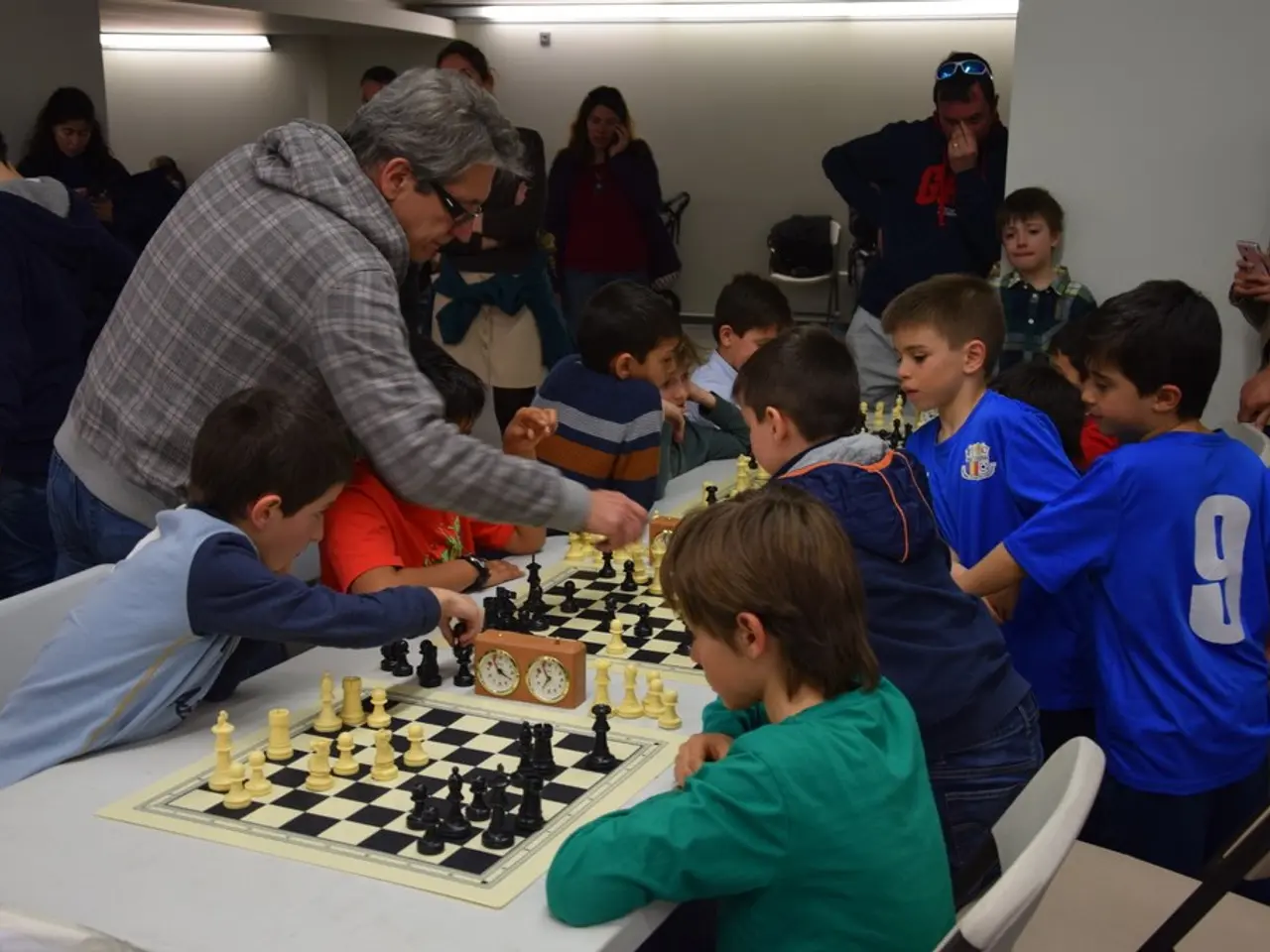
Thanks to the project, chess has evolved from an optional after-school activity into a full-fledged subject for grades 1–4. Today, "Fundamentals of Chess" is taught in 1,500 schools across 20 regions. More than 2,500 certified teachers lead classes, reaching over 60,000 elementary students weekly who study both theory and practice. In the West Kazakhstan region alone, 250 teachers have been trained, and the subject has been introduced in 240 classes across 173 schools.
Scientists have long proven a strong link between regular chess practice and the growth of mathematical abilities, improved concentration, and the development of strategic thinking in younger schoolchildren. In essence, the chessboard is a vital life "simulator." A child learns to calculate the consequences of their decisions before making them. They learn patience—after all, a strong position isn't won in a single move. They learn to lose and draw lessons from it—not with tears or tantrums, but by analyzing the game. And finally, they learn to take joy not in random luck, but in the results of their own hard work.
During a conference case-study session, elementary school teachers shared their experiences integrating chess into the curriculum and presented real-world examples from their practice. Among the speakers was Madina Zhakiyanova, an elementary school teacher and deputy principal for academic affairs at School No. 7 in Uralsk. Her school began participating in the republican pilot project "Chess in Education" in 2024.
"The project isn't aimed at turning every student into a grandmaster," notes the teacher-researcher. "First and foremost, it's a tool for the learning process. For the second year now, my entire class has been studying the subject Fundamentals of Chess as part of the variable component of the educational program. Lessons are held once a week. Where there used to be confusion over the pieces, now the children look forward to class and even organize chess battles during recess. From my observations, this subject gives students a great deal—developing logical and critical thinking, strategic planning, emotional resilience, and teamwork skills—all competencies we consider essential for the 21st century. The most important thing in life is making the right choices, and that's exactly what chess teaches us."
Under Madina Zhakiyanova's guidance, her class won the republican drawing competition "Chess in Education" among 1,500 schools across the country.
#Uralsk #Education #Chess #Conference
Read also:
- Executive from significant German automobile corporation advocates for a truthful assessment of transition toward electric vehicles
- Crisis in a neighboring nation: immediate cheese withdrawal at Rewe & Co, resulting in two fatalities.
- United Kingdom Christians Voice Opposition to Assisted Dying Legislation
- Democrats are subtly dismantling the Affordable Care Act. Here's the breakdown