Berlin's bold car-free plan collapses after signature shortfall
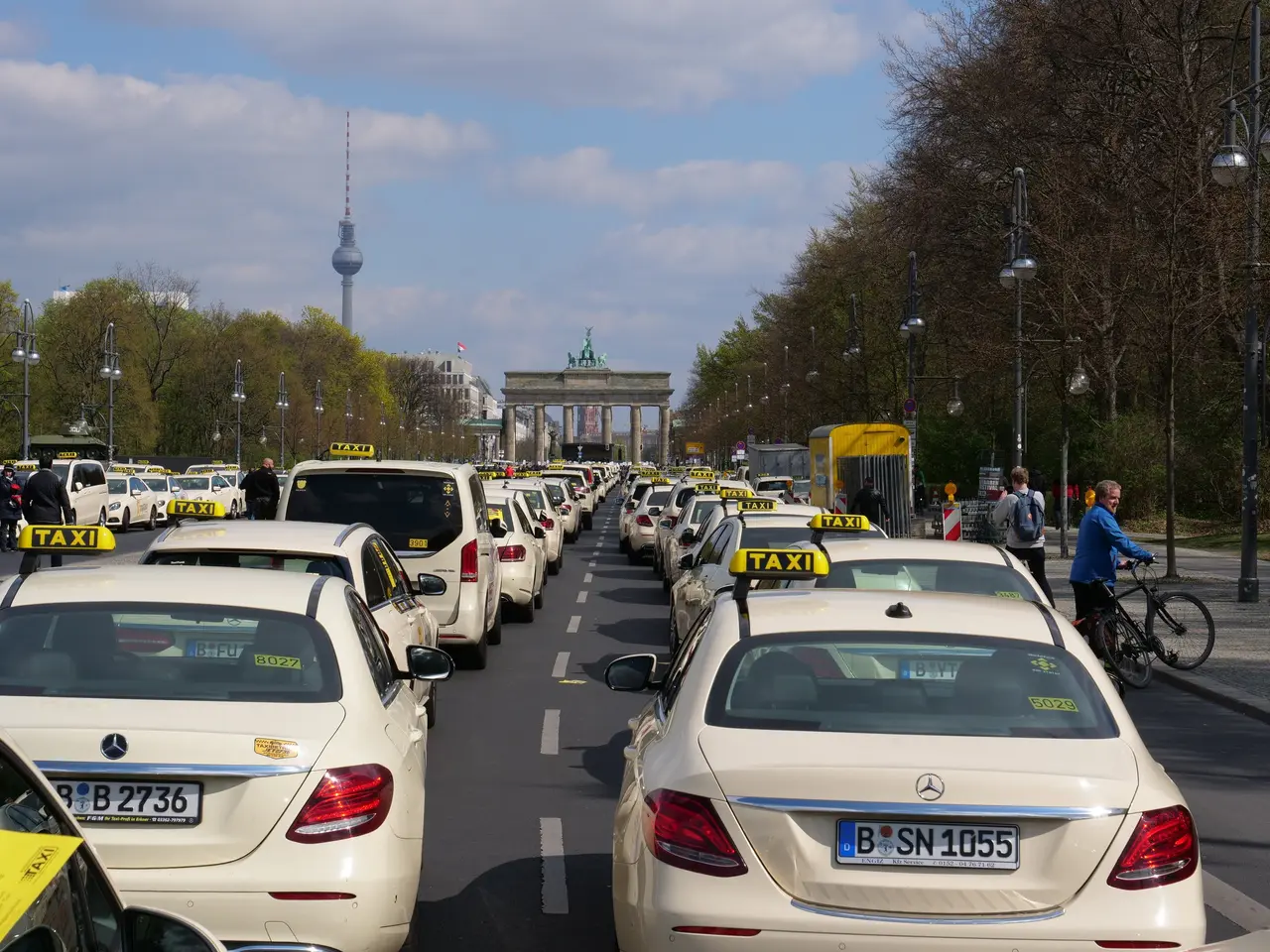
A push to drastically cut car traffic in central Berlin has stalled after organisers failed to gather enough signatures. The Car-Free Berlin campaign needed 174,000 backers by 8 May but fell short with just 140,000. Even before this setback, the proposal faced strong opposition from political parties and doubts over its practicality. The initiative aimed to ban most private vehicles within Berlin’s S-Bahn ring, permitting only emergency services, taxis, buses, and small electric vehicles. Drivers would have been allowed 12 self-chosen days a year to enter the zone freely. Exemptions were also planned for people with disabilities, freight transport, and businesses facing hardship.
Critics argued the plan put restrictions ahead of necessary infrastructure upgrades, such as expanded public transport. While 59% of Berliners support converting car lanes into bus or tram routes, many questioned whether the city was ready for such a sudden shift. Enforcement would have been difficult, with concerns that drivers might simply ignore the rules. The CDU had already dismissed the idea outright, declaring, *'Banning cars? Banned.'* This stance added to growing frustration among Berliners, who increasingly see referendums as ineffective. Participation in local votes has dropped as residents feel their voices no longer shape policy. Berlin already has Germany’s lowest car ownership rate, with just 329 private cars per 1,000 residents—a number that continues to fall. Yet, despite broad support for better parking rules and public transport, the failed campaign highlights the challenges of turning green ambitions into reality.
The proposal’s collapse leaves Berlin’s transport debate unresolved. While many residents back reforms, the city must now find other ways to reduce traffic and improve mobility. For now, cars will remain a central part of Berlin’s streets.
Read also:
- Executive from significant German automobile corporation advocates for a truthful assessment of transition toward electric vehicles
- Crisis in a neighboring nation: immediate cheese withdrawal at Rewe & Co, resulting in two fatalities.
- United Kingdom Christians Voice Opposition to Assisted Dying Legislation
- Democrats are subtly dismantling the Affordable Care Act. Here's the breakdown