AI's rise threatens pensions and strains resources—can tax reform fix it?
The AI Debate Ignores the Real Question: How Do We Steer It?
The debate over artificial intelligence is being framed as if technological progress alone dictates its course. Rarely do we ask what options we have to shape this development in a meaningful way. After all, the AI revolution is unfolding in a society that has already exceeded planetary boundaries—a society whose social systems are funded through labor, rendering it economically redundant, a burden to be eliminated through rationalization.
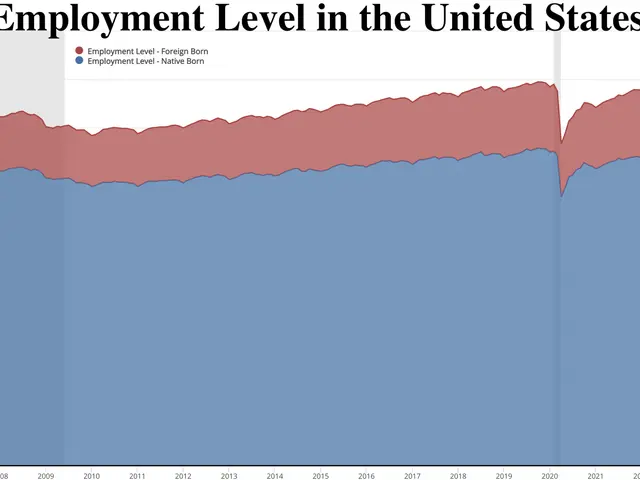
The more successfully human labor is replaced by software and robotics, the greater the strain on social security systems. Demographic decline only exacerbates the problem: fewer and fewer workers must support an ever-growing number of retirees. In Germany, two-thirds of all taxes and social contributions come from labor, while energy accounts for less than five percent of tax revenue.
At the same time, there is no effective mechanism to curb excessive resource consumption—a structural flaw that has long been ignored. In the age of AI, the urgent need for an alternative funding model is finally moving to the center of debate. Yet the proposed solutions sidestep critical questions. Greater reliance on capital-funded pensions only deepens dependence on a system that demands endless growth, with ecological and social concerns relegated to secondary status. Workers find themselves in a schizophrenic position—take the U.S., for example, where tax cuts benefiting the wealthy were welcomed even by low-income earners, since their retirement savings depend on stock market performance.
A universal basic income (UBI) might seem like the answer: as machines take over more jobs, a basic income funded by taxes on rising productivity gains could provide for all. But this is only half the story. A sustainable UBI would require a high and permanently reliable tax base—yet companies could simply relocate to low-tax jurisdictions, likely leaving us with nothing more than a minimal subsistence payment.
And the issue of planetary boundaries would remain unresolved. Consider the rise of dark factories—highly automated production sites that operate without lighting, heating, or air conditioning, running 24/7 with minimal staff and locating wherever energy is cheap, stable, and abundant. These facilities expose the blind spot in the concept of "green growth."
Even if powered by renewable energy, dark factories do not eliminate planetary limits. While they may reduce demand for lighting and heating, they change nothing about the resource consumption required for computing power, robotics, networks, and storage. What's more, the billions invested in such facilities only pay off if production output increases—which, in turn, only makes sense if global market demand continues to rise.
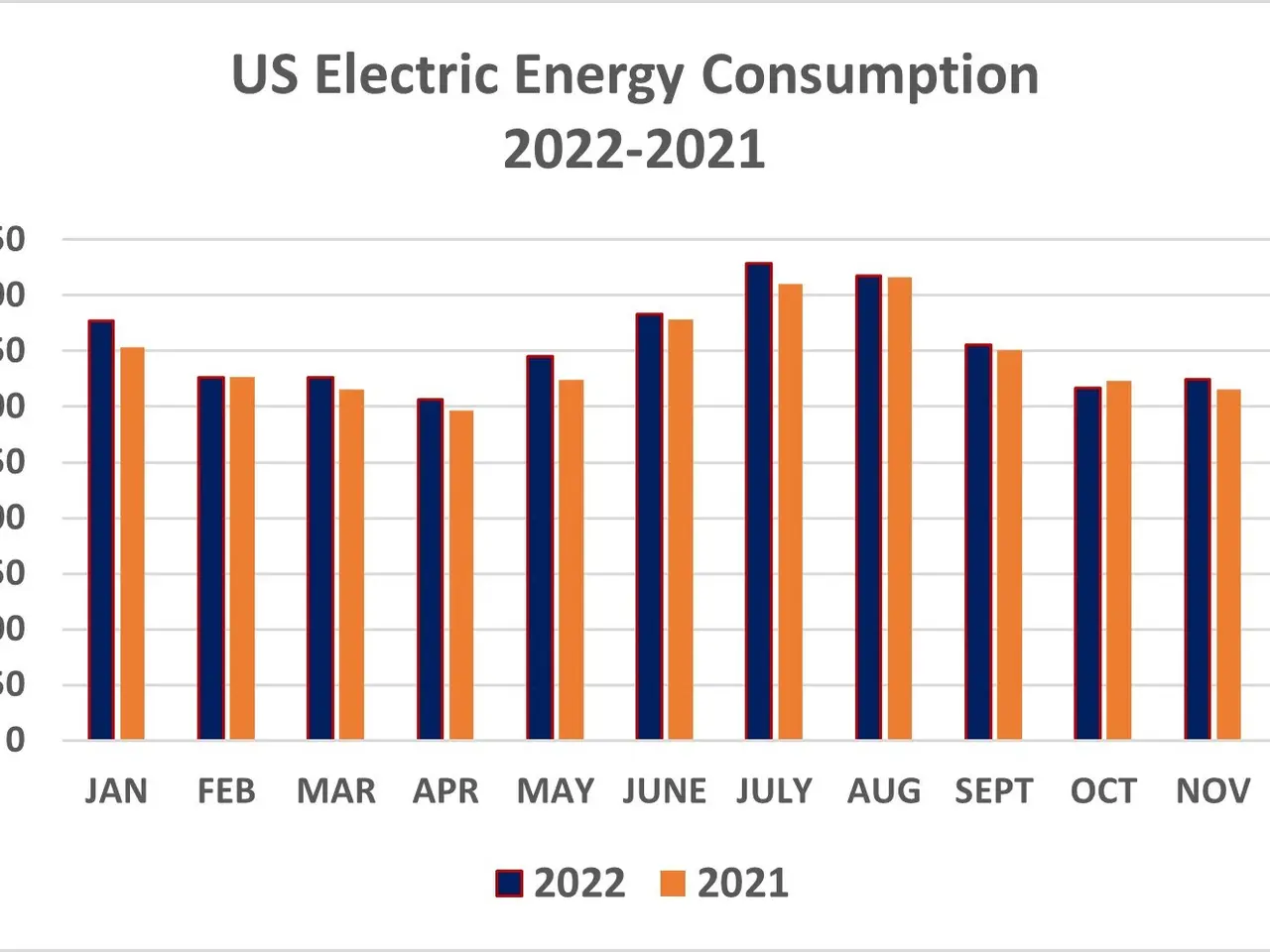
A gradual shift in taxation—from labor to energy consumption—could have a dual effect. First, it would largely decouple pension financing from human employment. Second, it would finally provide the lever we urgently need to reduce resource consumption. Every stage of resource use—from extraction to processing to recycling—is energy-intensive. It's no coincidence that primary and raw materials industries are classified as "energy-intensive sectors."
Under this model, resource-heavy mass production and disposable goods would become more expensive, while durability, repairability, and modular design would gain economic viability. AI would not be stifled but redirected—from an accelerant of blind economic growth to a highly efficient tool for a sustainable economy.
Revenues from energy taxes should, wherever possible, be fully rebated to businesses and consumers to make effective tax rates politically viable. For businesses, this would take the form of reduced social security contributions; for consumers, a per-capita energy payment. But would high energy costs not simply drive companies away or flood the European market with cheap imports?
Whoever raises energy prices must also protect our market from undercutting. What's needed is an energy tariff—modeled on the carbon border adjustment mechanism. Such a safeguard would be essential for maintaining a sustainable policy course over the long term. A sustainable economy would also strengthen the European market. Europe is large enough to serve as both a sales market and a supplier of raw materials, which could help ease competition for scarce resources from the outset.
The key question in deploying AI is this: We must decide how we want to live and what role AI should play in that vision. Should we pursue blind acceleration or deliberate, strategic guidance? A thoughtful approach could lead to an economically and socially balanced deceleration—reducing resource consumption, alleviating pressure on supply chains and raw material competition, and ultimately creating the conditions for a more peaceful global order.
This, by the way, is where Europe's true benchmark lies. The central challenge is to develop a sustainable economic model that emerging and developing nations—which have long followed our growth-driven paradigm—could adopt. The goal would not be a chaotic retreat from globalization but its sustainable and socially equitable reordering.
Read also:
- Executive from significant German automobile corporation advocates for a truthful assessment of transition toward electric vehicles
- Crisis in a neighboring nation: immediate cheese withdrawal at Rewe & Co, resulting in two fatalities.
- United Kingdom Christians Voice Opposition to Assisted Dying Legislation
- Democrats are subtly dismantling the Affordable Care Act. Here's the breakdown