1946 Dalstroy Mine Merger Reshaped Labor and Production Priorities
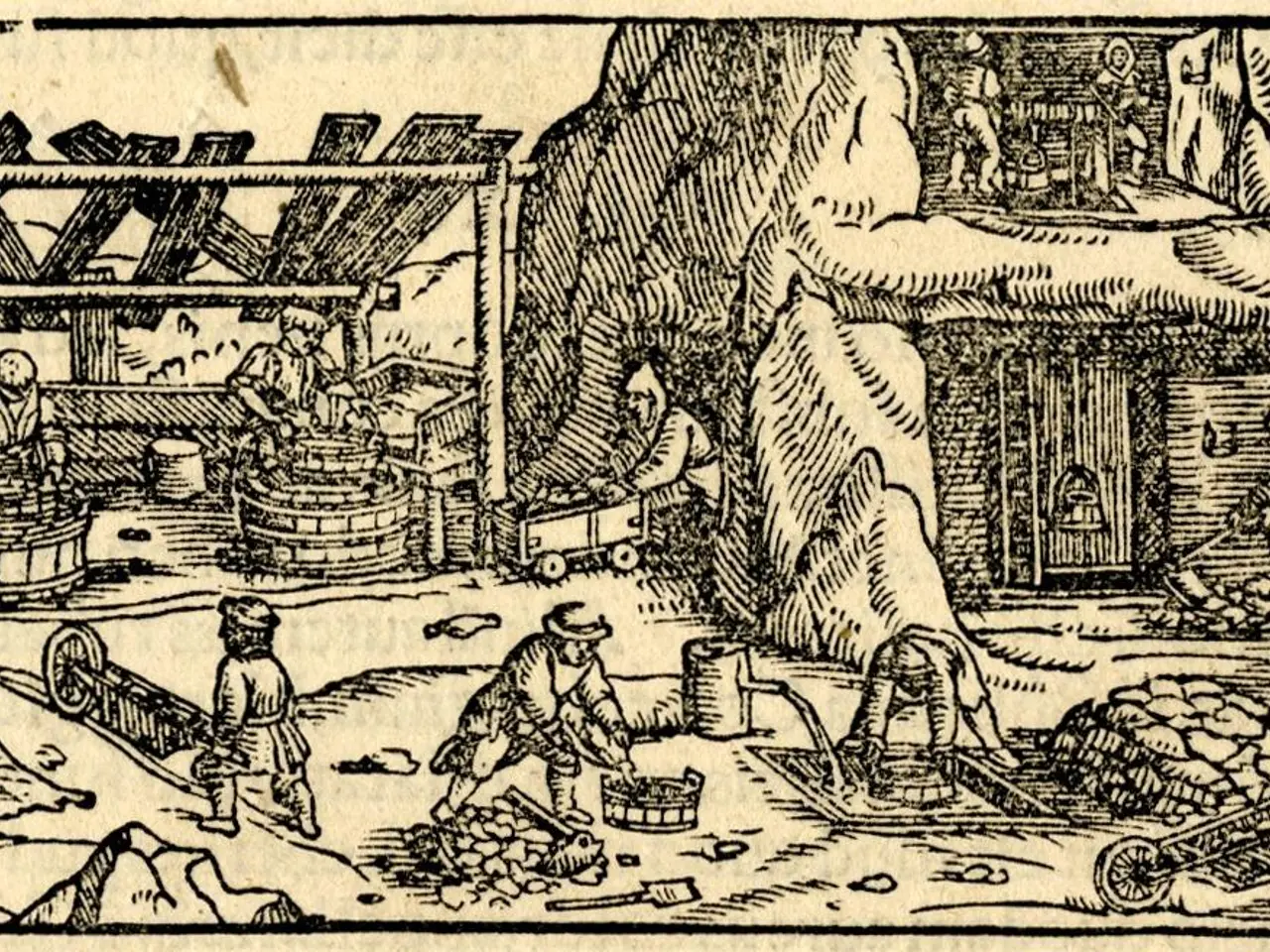
By Order No. 199 dated March 26, 1946, Dalstroy transferred Ore Processing Plant No. 2 from the Lazovsky Mine system to Plant No. 3. As part of the consolidation and expanded operations, Plant No. 3 was reclassified from Category I to an unclassified facility. Following the merger, most prisoners were forced to work alongside free laborers and lost access to food rations. At the time, the enterprise employed over 2,500 people, our website reports.
Writer Eyub Bagirov described this period in his memoirs:
*"The gold-bearing 'Pyatiletka' mine was mothballed, and its workers were reassigned to the Lazovsky Mine, as tin had become a higher priority. Ore Processing Plants No. 2 and No. 3 were merged into a single operation, blending their enrichment workers. The fact was, Plant No. 2 primarily employed free laborers—former prisoners who had served their sentences—while Plant No. 3 was staffed by convicts. I was transferred from the motor pool to Plant No. 3's labor and wage standards department, where I worked as a senior labor economist.
The plant, along with its auxiliary operations, employed over 2,500 people. In essence, it produced military goods, processing ore into tin concentrate. During this time, we introduced another innovation in labor standards—not just to preserve lives, but to slightly ease the workers' brutal conditions.
Labor at the plant was paid by the hour, which meant workers were shortchanged on food rations. The meager rations they received depended on meeting production quotas—but how could quotas be set when most workers were hourly? And these hourly workers made up over three-quarters of the staff, including key roles like ore receivers, crushers, and haulers. So, together with the norms analysts, we studied the plant's technological processes, ore extraction, and transportation. After crunching the numbers, we proposed shifting to piecework wages.
In preparing the economic data, technical norms, and time-motion studies, we had support from our colleagues. Pavel Tkachenko, head of the plant's Technical and Economic Planning Department and a native of Luhansk, took the risk with us to save lives. This led to a direct transition to piecework wages for most workers in the processing plant—and, where that wasn't feasible, to indirect compensation.
Thus, in the harsh wartime years, the workers' rations began to reflect their quota fulfillment percentages, allowing them to extract the maximum possible from production. This change saved countless lives among the starving laborers of the camp zone, who endured backbreaking forced labor."*
Read also:
- Executive from significant German automobile corporation advocates for a truthful assessment of transition toward electric vehicles
- Crisis in a neighboring nation: immediate cheese withdrawal at Rewe & Co, resulting in two fatalities.
- United Kingdom Christians Voice Opposition to Assisted Dying Legislation
- Democrats are subtly dismantling the Affordable Care Act. Here's the breakdown