Why Germans default to doom-mongering in times of uncertainty
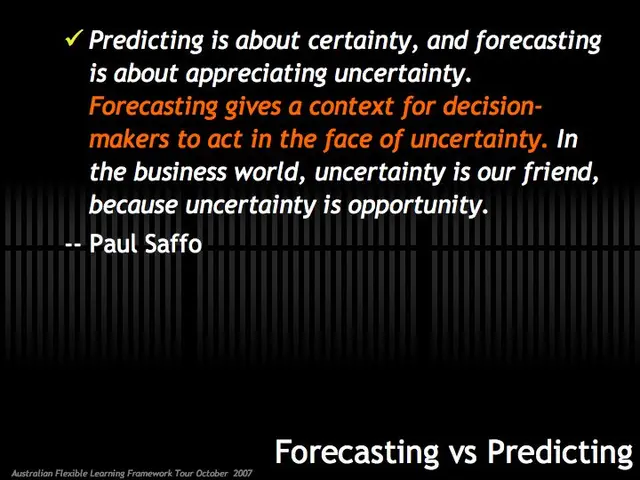
A recent podcast discussion has highlighted a deep-seated pessimism among Germans when facing uncertainty. In the first Lanz & Precht episode of 2026, philosopher Richard David Precht, presenter Markus Lanz, and futurist Florence Gaub explored why many in Germany default to doom-mongering rather than proactive thinking. The conversation, published around 2 January, contrasted German attitudes with more optimistic approaches seen elsewhere.
Precht and Lanz agreed that Germans often respond to challenges with the question ‘What could go wrong?’ instead of ‘What can I do?’ This tendency, they argued, stems from high personal expectations and a lack of trust in state institutions. Precht also warned of a ‘global ecological catastrophe’, describing climate change as an impending ‘downfall of the day after tomorrow’—a view that reinforced the episode’s sombre tone.
Florence Gaub offered a different perspective. While acknowledging the gravity of global issues, she pointed to Germany’s low tolerance for uncertainty as a key driver of pessimism. She suggested looking to Finland, where people focus on personal agency and happiness even amid difficulties. Gaub urged redirecting mental energy from fear towards practical solutions, sparking a rare moment of optimism in the discussion.
The podcast episode underscored a cultural divide in how societies confront crises. Germans, according to the speakers, lean towards fatalism, while other nations prioritise adaptability. Gaub’s call to shift from anxiety to action stood out as a potential counterbalance to the prevailing gloom.
Read also:
- Executive from significant German automobile corporation advocates for a truthful assessment of transition toward electric vehicles
- United Kingdom Christians Voice Opposition to Assisted Dying Legislation
- Democrats are subtly dismantling the Affordable Care Act. Here's the breakdown
- Financial Aid Initiatives for Ukraine Through ERA Loans