Vienna's first 'street park' replaces traffic with trees and misting showers
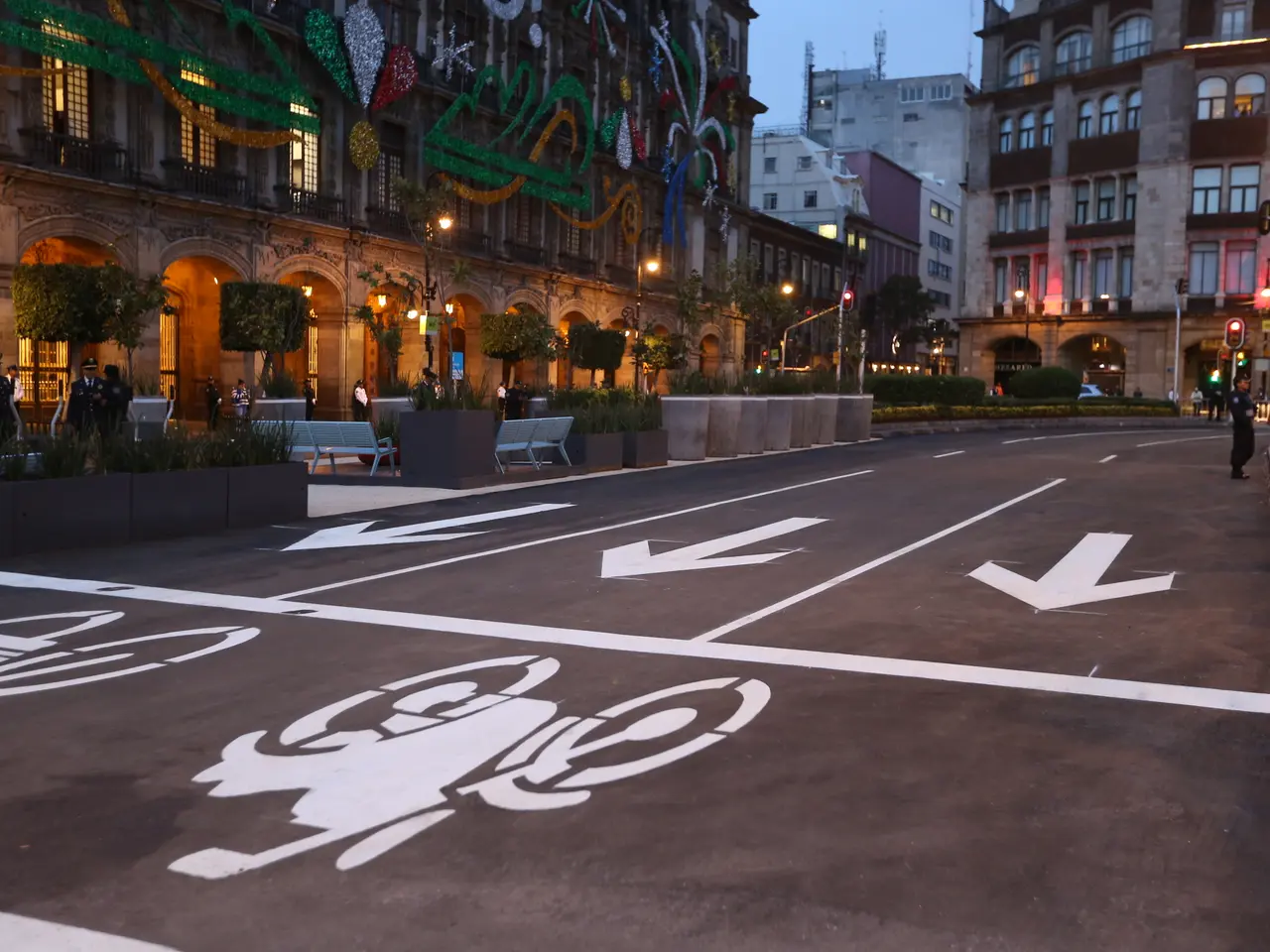
Vienna has unveiled its first 'street park' in the 22nd district, transforming a stretch of Wagramer Straße into a green public space. The 250-metre-long project replaces tram tracks, a traffic lane, and 60 parking spots with trees, water features, and misting showers. City officials marked the occasion with a tree-planting ceremony last week.
The new street park in Kagran includes 60 trees, 19 misting showers, and five water features. It follows a model inspired by Paris, where over 100 similar projects have turned streets into pedestrian-friendly zones since 2020. Well-known examples in the French capital include Rue de Birague in Le Marais, Avenue Émile Zola in the 15th arrondissement, and areas near Canal Saint-Martin.
Meanwhile, Vienna's first 'superblock' in Favoriten is nearly finished. City gardeners are now planting trees in the €15 million project, which will restrict through-traffic and add benches, water features, and greenery. The initiative aims to create a more people-focused urban space.
However, financial pressures are forcing the city to rethink future plans. With Finance Councilor Barbara Novak facing a tight budget, upcoming projects will likely be smaller in scale. Instead of large 'superblocks,' Vienna may focus on more modest 'mini-blocks' to cut costs while still improving public areas.
The opening of the Kagran street park marks a shift in Vienna's urban planning, prioritising green spaces over car infrastructure. With budget cuts looming, the city's approach to future developments will change, favouring smaller, more affordable projects. The focus remains on creating pedestrian-friendly zones, but on a reduced scale.
Read also:
- Executive from significant German automobile corporation advocates for a truthful assessment of transition toward electric vehicles
- United Kingdom Christians Voice Opposition to Assisted Dying Legislation
- Democrats are subtly dismantling the Affordable Care Act. Here's the breakdown
- Financial Aid Initiatives for Ukraine Through ERA Loans