U.S. Sees Historic Shift as More Immigrants Leave Than Arrive in 2024
For the first time in over 50 years, more immigrants left the U.S. than arrived in 2024. This shift has coincided with weaker job growth and stricter immigration policies. New data shows visa approvals dropping sharply across most categories in 2025.
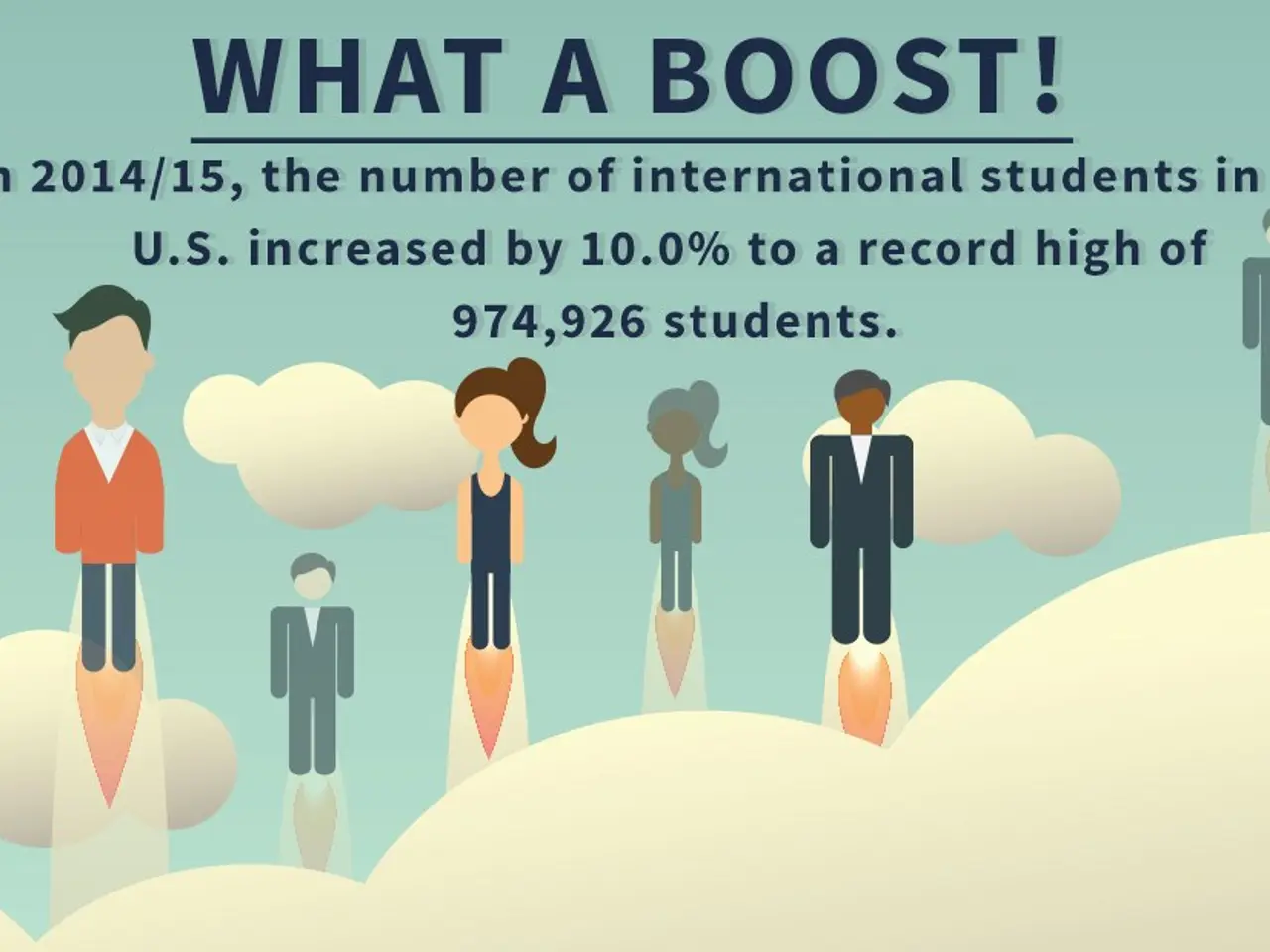
The U.S. issued 11% fewer permanent and temporary visas in the first eight months of 2025 compared to the same period in 2024. Business, tourism, and student visas all saw declines, with student visas falling by over 30%. The State Department also cancelled 6,000 student visas due to alleged crimes and overstays.
The Trump administration's policies played a major role in the drop. A travel ban, paused visa interviews, and stricter vetting led to fewer approvals, particularly for Afghan and Cuban nationals. Visa numbers for Chinese and Indian workers and students fell by about 84,000. Fewer State Department staff, following federal budget cuts, slowed processing times. Out of 61 countries tracked, only seven received more U.S. visas in 2025 than in 2024. Green card approvals also declined, especially for skilled workers, certain relatives, and Iraqi and Afghan allies who had supported U.S. military operations.
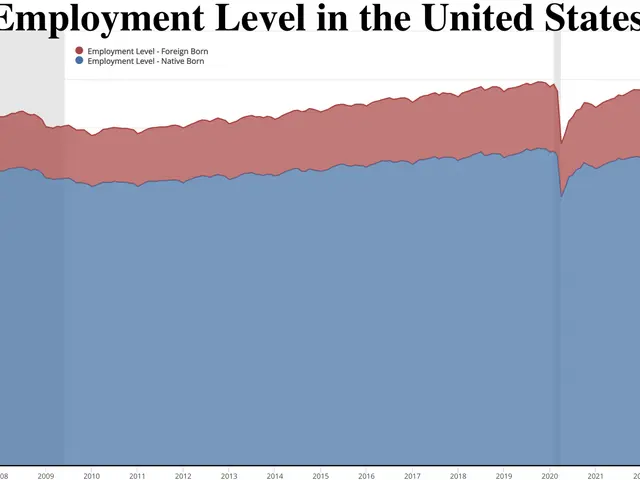
The decline in immigration has contributed to a weaker job market in 2024. With visa approvals down across most categories, the trend suggests tighter controls and reduced foreign labour. The impact of these changes is likely to continue affecting both the workforce and international relations.
Read also:
- Executive from significant German automobile corporation advocates for a truthful assessment of transition toward electric vehicles
- Crisis in a neighboring nation: immediate cheese withdrawal at Rewe & Co, resulting in two fatalities.
- United Kingdom Christians Voice Opposition to Assisted Dying Legislation
- Democrats are subtly dismantling the Affordable Care Act. Here's the breakdown