U.S. College Enrollment Rises in 2025, but Trends Shift Dramatically
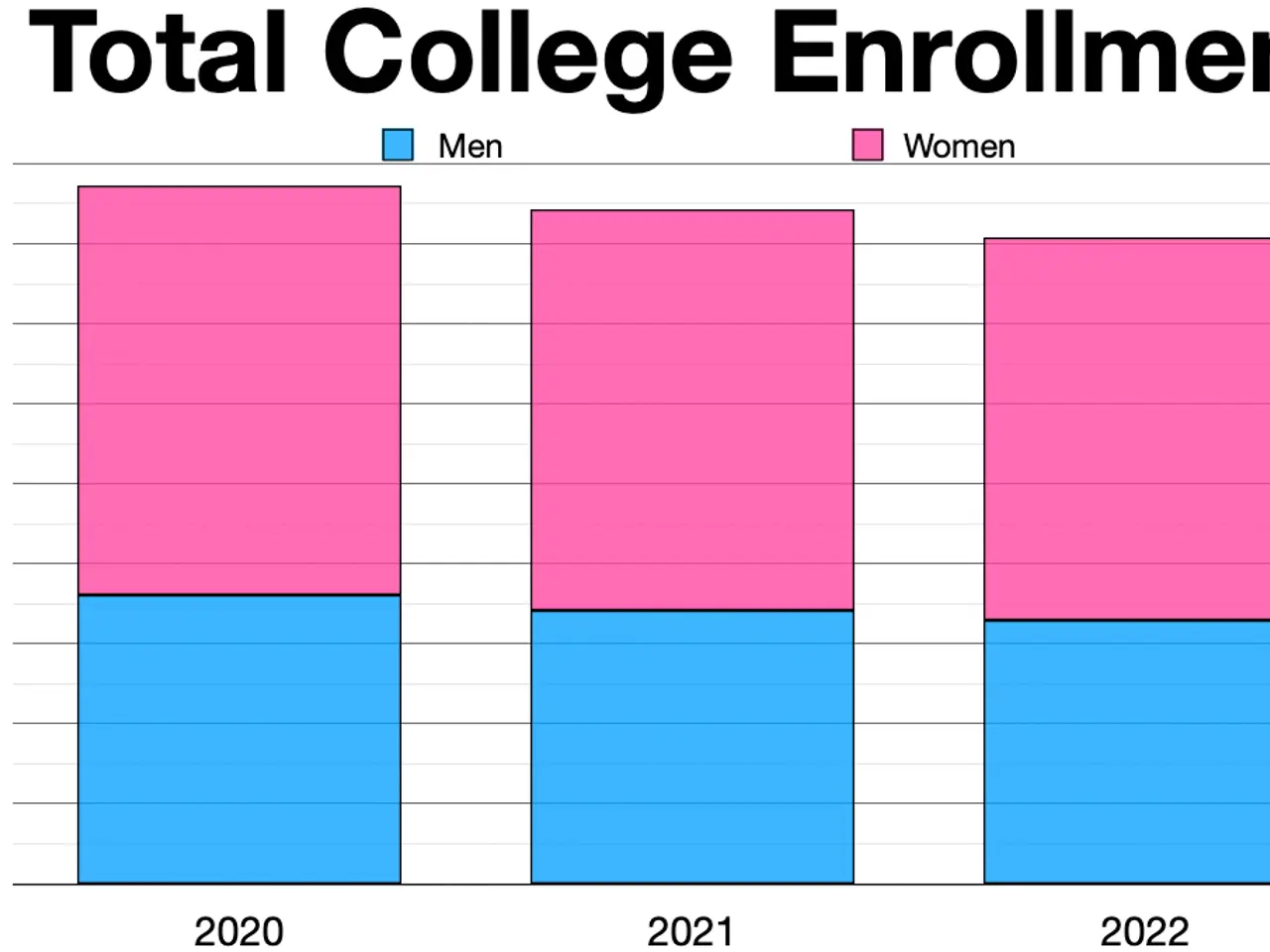
College enrollment in the U.S. has risen slightly, reaching 19.4 million students in the fall of 2025. This marks a 1.0% increase compared to the previous year, despite ongoing debates about the value of higher education. The growth, however, is uneven across different types of institutions and programmes.
The rise in enrollment has been most noticeable at four-year public universities and community colleges. Meanwhile, private four-year colleges saw a decline in student numbers. Economic uncertainty appears to be pushing more people back into education, particularly at community colleges, where cost and flexibility are key factors.
Short-term courses linked to workforce skills have surged in popularity. Universities like Northeastern, Arizona State, and Southern New Hampshire reported over 25% growth in enrolment for programmes in AI, cybersecurity, and data analytics. Community colleges also saw a 28% jump in students pursuing short-term credentials tied to employment. International student trends show a mixed picture. Undergraduate enrolment from abroad grew by 3.2%, but graduate-level numbers fell sharply. Federal policies affecting student visas and cuts to research funding contributed to this decline. One surprising shift is the drop in computer and information sciences enrolment at both undergraduate and graduate levels. After years of steady growth, interest in these fields has waned, partly due to tech industry layoffs and the rise of artificial intelligence. Students now seem more cautious about long-term career prospects in the sector.
The latest figures highlight changing priorities among students, with cost, flexibility, and career relevance shaping their choices. While overall enrolment has edged up, the decline in some areas—like computer sciences and international graduate programmes—reflects broader economic and policy influences. Institutions are adapting by expanding short-term, job-focused courses to meet demand.
Read also:
- Executive from significant German automobile corporation advocates for a truthful assessment of transition toward electric vehicles
- United Kingdom Christians Voice Opposition to Assisted Dying Legislation
- Democrats are subtly dismantling the Affordable Care Act. Here's the breakdown
- Financial Aid Initiatives for Ukraine Through ERA Loans