The question explores whether mastering a new physical talent can alter the structure of the brain.
Learning new physical skills, such as dance, juggling, martial arts, trying new sports, and mastering a musical instrument, can have a significant impact on brain function and neuroplasticity. This transformation occurs as these activities promote the growth and strengthening of neural connections, increase neurogenesis, and improve brain structure and efficiency.
The process is supported by increased levels of brain-derived neurotrophic factors (BDNF), better cerebral blood flow, and enhanced synaptic plasticity. These elements combined improve cognitive and motor performance, as well as emotional regulation. Immediate benefits include temporary boosts in neurotransmitter availability and cerebral perfusion, which improve attention and mental clarity.
Over the long term, repeated practice leads to chronic neurobiological changes like stronger synapses, new neuron formation (neurogenesis), especially in the hippocampus, and increased efficiency in neural networks. These changes facilitate better executive functions, including decision-making, inhibitory control, and cognitive flexibility.
Physical skill learning also strengthens the connectivity and volume of both gray and white matter in relevant brain regions, notably the prefrontal cortex. This supports planning, focus, and emotional regulation. Athletes and individuals who repeatedly practice complex motor tasks refine brain circuits that help them maintain emotional control under stress by balancing activity between the prefrontal cortex and the amygala, reducing panic responses and enhancing performance under pressure.
Through neuroplasticity—the brain's ability to rewire itself—regular practice reinforces the neural pathways involved in the new skill, a process known as synaptic strengthening, while less used connections may be pruned for efficiency. This underscores the critical role of repetition in skill acquisition and brain adaptability.
Learning a new skill that involves feedback, adaptation, and pattern recognition, such as piano or drums, enhances problem-solving abilities. Mastering a new skill can lead to stress reduction due to emotional reward and rhythmic movement. Regular practice of new skills can enhance focus and attention, reducing susceptibility to distraction.
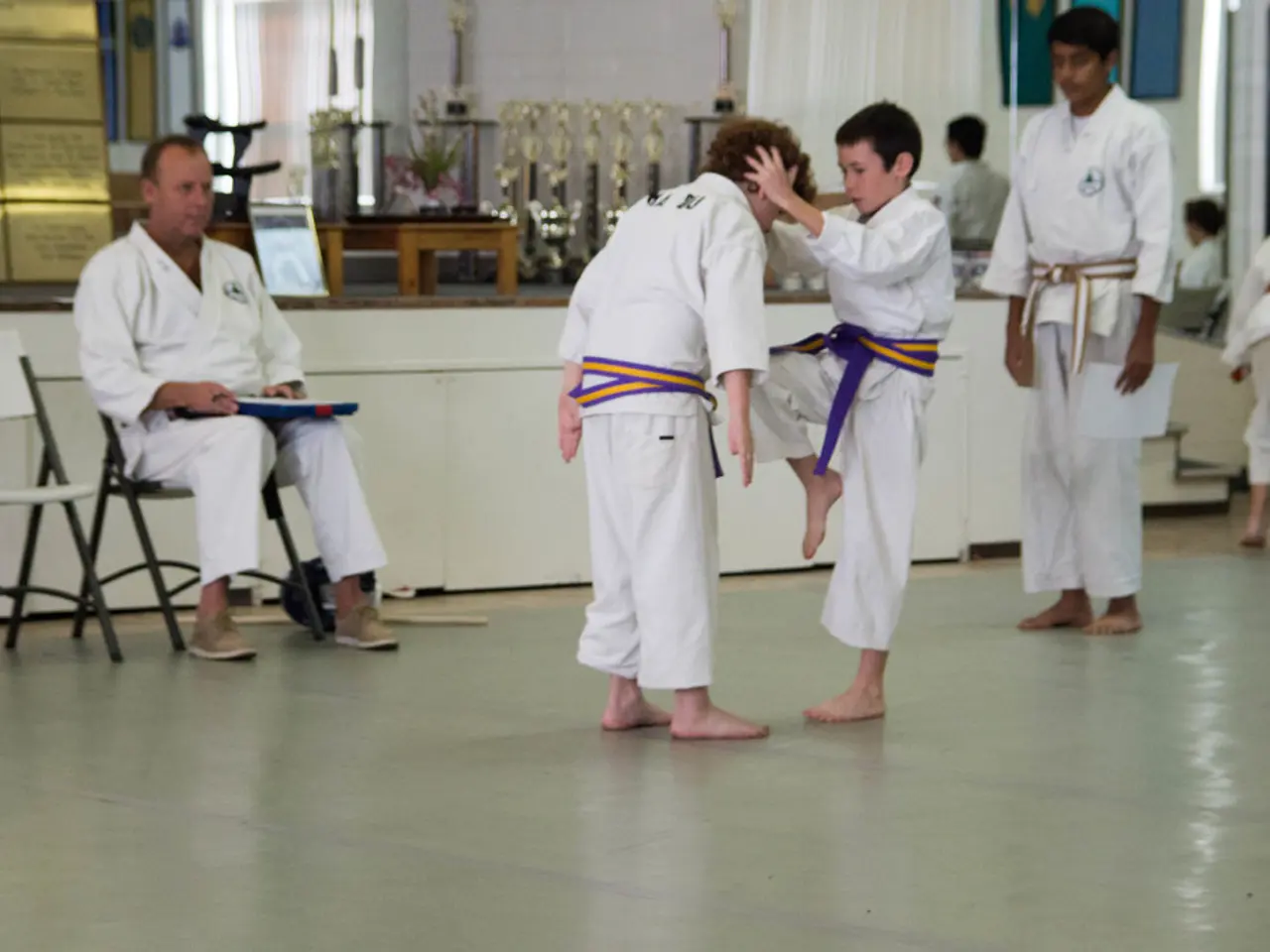
Specific skills, like juggling, train hand-eye coordination, predictive timing, and sustained focus. Martial arts builds discipline, reaction time, and cognitive-emotional integration. Trying unfamiliar activities, like paddleboarding or fencing, stretches motor learning systems. Dance combines rhythm, spatial awareness, memory, and coordination.
In summary, learning a new physical skill not only improves motor ability but also drives profound and lasting changes in brain structure and function, enhancing cognition, emotional resilience, and behavioral regulation through neuroplastic mechanisms.
- Engaging in neuroscience demonstrates that learning new physical skills, such as dance, juggling, martial arts, trying new sports, and mastering a musical instrument, can impact brain function and neuroplasticity significantly.
- The learning process promotes the growth and strengthening of neural connections and improves brain structure and efficiency due to activities like these.
- Increased levels of brain-derived neurotrophic factors (BDNF), better cerebral blood flow, and enhanced synaptic plasticity are the results of the elevated brain activity induced by these learning activities.
- The combined impact of these elements improves cognitive and motor performance, emotional regulation, attention, and mental clarity.
- Over time, repeated practice of these skills leads to chronic neurobiological changes like stronger synapses, new neuron formation (neurogenesis), especially in the hippocampus, and increased efficiency in neural networks.
- The changes facilitate better executive functions, including decision-making, inhibitory control, and cognitive flexibility, making individuals more adaptable and efficient.
- Physical skill learning also strengthens the connectivity and volume of both gray and white matter in relevant brain regions, notably the prefrontal cortex, enabling improved planning, focus, emotional regulation, and stress management under pressure.
- Learning a new skill that involves feedback, adaptation, and pattern recognition, such as piano or drums, enhances problem-solving abilities, stress reduction, and concentration, while reducing susceptibility to distraction.
- Specific skills, like juggling, martial arts, dance, and even trying unfamiliar activities, challenge and refine various motor learning systems, muscle memory, spatial awareness, coordination, discipline, reaction time, and cognitive-emotional integration.