Renaturation of Moors: Is Voluntariness Coming to an End?
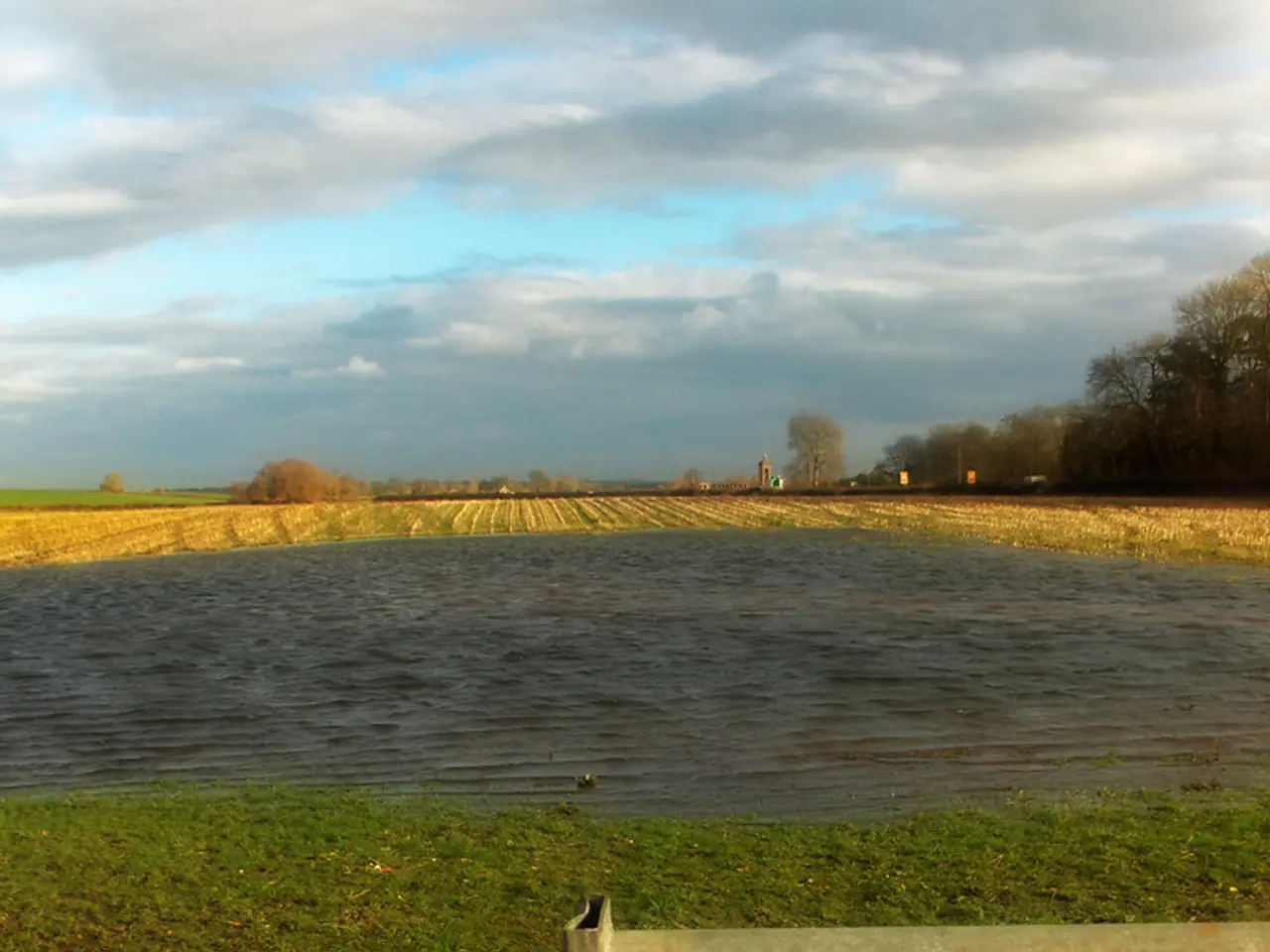
Germany’s Scientific Advisory Board for Natural Climate Protection (WBN) has proposed major changes to peatland management. The plan aims to restore roughly one million hectares of moorland by 2045 to cut carbon emissions. New rules will phase out subsidies for dry moor use and introduce targeted funding for wetland farming, known as paludiculture.
The WBN recommends restoring about 50,000 hectares of peatland each year to meet the 2045 target. If necessary, restoration could proceed even without farmers’ consent, marking a shift from the previous voluntary approach. These measures are expected to save around 40 million tonnes of CO2 annually.
Under the EU’s Common Agricultural Policy (CAP), subsidies for dry moor management will end from 2025. National plans, including Germany’s, will take effect this year, redirecting funds toward restoration efforts. The proposed 'Palu' directive would compensate farmers for lost income, ensuring wetland use remains economically viable. The board also urges faster adaptation of forests to climate change, which could save an extra two million tonnes of carbon each year. Lower Saxony, home to about eight percent of Germany’s moorland, will play a key role in the transition.
The changes will reshape peatland management across Germany, prioritising climate goals over traditional farming practices. With subsidies ending and new funding programmes in place, the focus shifts to large-scale restoration and sustainable wetland use. The measures aim to cut emissions while keeping the land economically productive.
Read also:
- Executive from significant German automobile corporation advocates for a truthful assessment of transition toward electric vehicles
- United Kingdom Christians Voice Opposition to Assisted Dying Legislation
- Democrats are subtly dismantling the Affordable Care Act. Here's the breakdown
- Financial Aid Initiatives for Ukraine Through ERA Loans