JKBOSE Introduces Shina Textbooks to Preserve Indigenous Language in Schools
The Jammu and Kashmir Board of School Education (JKBOSE) has launched new Shina textbooks for young learners. This move supports the National Education Policy (NEP) 2020 and the National Curriculum Framework for Foundational Stage (NCF-FS) 2022, both of which encourage teaching in a child’s mother tongue. The initiative marks a significant step in preserving and promoting the Shina language within the department of education system.
The Shina-speaking community is mainly found in Gurez, parts of Kashmir, and the Drass region of Ladakh, with a notable presence in Gilgit-Baltistan areas of Pakistan-occupied Kashmir (PoK). Younger generations have played a key role in reviving the language, using social media and music to express their cultural identity. The new textbooks now build on this momentum by integrating Shina into formal education.
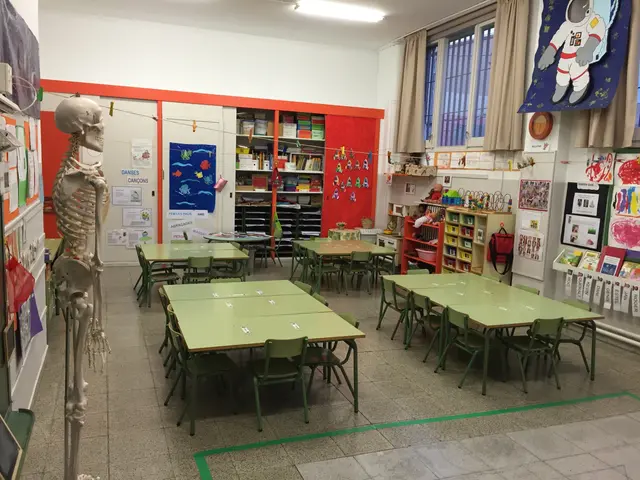
The textbooks focus on foundational literacy, covering listening, speaking, early reading, and writing. They use activity-based and child-centric teaching methods to engage students effectively. A committee led by Masood A. Samoon and Prof. Musavir Ahmad oversaw the development, ensuring the materials met academic standards while staying true to the language’s nuances. The books have already been distributed to schools, ready for use when classes resume after winter vacations in the Kashmir valley. This initiative aligns with broader educational goals, reinforcing the importance of mother-tongue instruction in early learning.
The introduction of Shina textbooks has brought a sense of pride and empowerment to the community. Students will now have the opportunity to learn in their native language, strengthening their literacy, cognitive development, and cultural connections. The initiative reflects a growing recognition of indigenous languages in India’s education system.
Read also:
- Executive from significant German automobile corporation advocates for a truthful assessment of transition toward electric vehicles
- Crisis in a neighboring nation: immediate cheese withdrawal at Rewe & Co, resulting in two fatalities.
- United Kingdom Christians Voice Opposition to Assisted Dying Legislation
- Democrats are subtly dismantling the Affordable Care Act. Here's the breakdown