Global food prices dip in September 2025 as cereal production climbs 4%
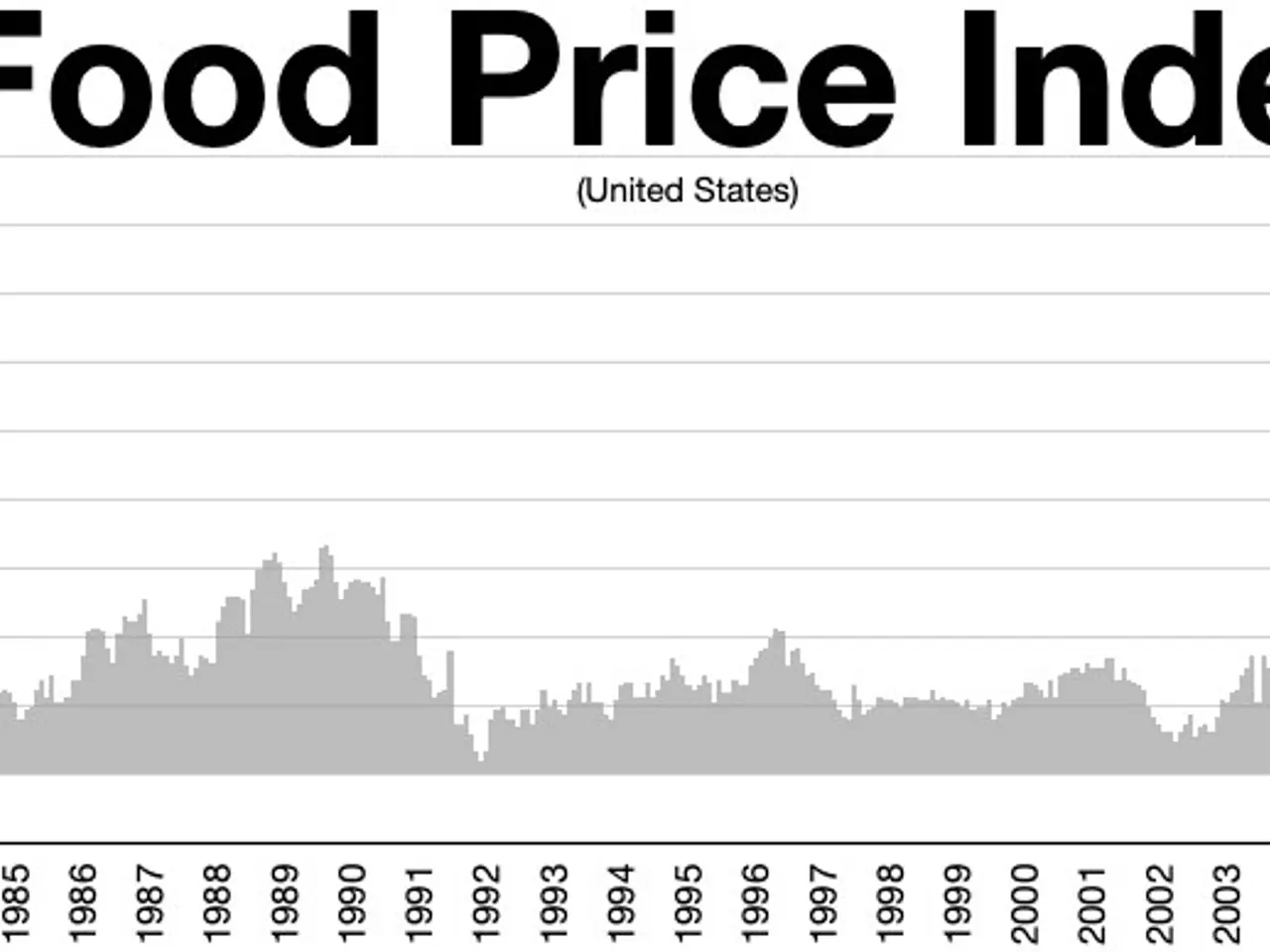
Global food prices showed slight shifts in September 2025, with some commodities falling while others rose. The FAO Food Price Index averaged 128.8 points, a small drop from August but still higher than the same period last year. Meanwhile, cereal production is set to climb by nearly 4 percent in 2025. The FAO Food Price Index dipped marginally in September, slipping to 128.8 points from 129.7 in August. Despite this monthly decline, the index remained 3.4 percent above its level in September 2024.
Within the index, vegetable oil prices fell by 0.7 percent. Lower quotations for palm and soybean oil outweighed gains in sunflower and rapeseed oil. Wheat prices continued their downward trend for the third consecutive month, pressured by weak demand and larger harvests. Maize prices also softened due to ample global supplies and Argentina's temporary removal of export taxes. Rice saw a slight price drop as orders from the Philippines and African buyers slowed. In contrast, meat prices moved upward. The FAO Meat Price Index rose by 0.7 percent in September, marking a 6.6 percent increase compared to last year. Bovine and ovine meat prices climbed, driven by strong demand, particularly in the US. The FAO Cereal Price Index also edged down by 0.6 percent during the month. Looking ahead, global cereal production is forecast to reach 2,971 million tonnes in 2025. This represents a 3.8 percent rise from the previous year, signalling improved output across key crops.
The latest FAO figures highlight mixed trends across food markets. While cereal production is on track to grow, price movements varied—with oils and grains easing but meat costs rising. The overall index remains above last year's levels, reflecting ongoing shifts in supply and demand.
Read also:
- Executive from significant German automobile corporation advocates for a truthful assessment of transition toward electric vehicles
- United Kingdom Christians Voice Opposition to Assisted Dying Legislation
- Democrats are subtly dismantling the Affordable Care Act. Here's the breakdown
- Financial Aid Initiatives for Ukraine Through ERA Loans