Ghana’s bold push to transform informal education under Reset Ghana
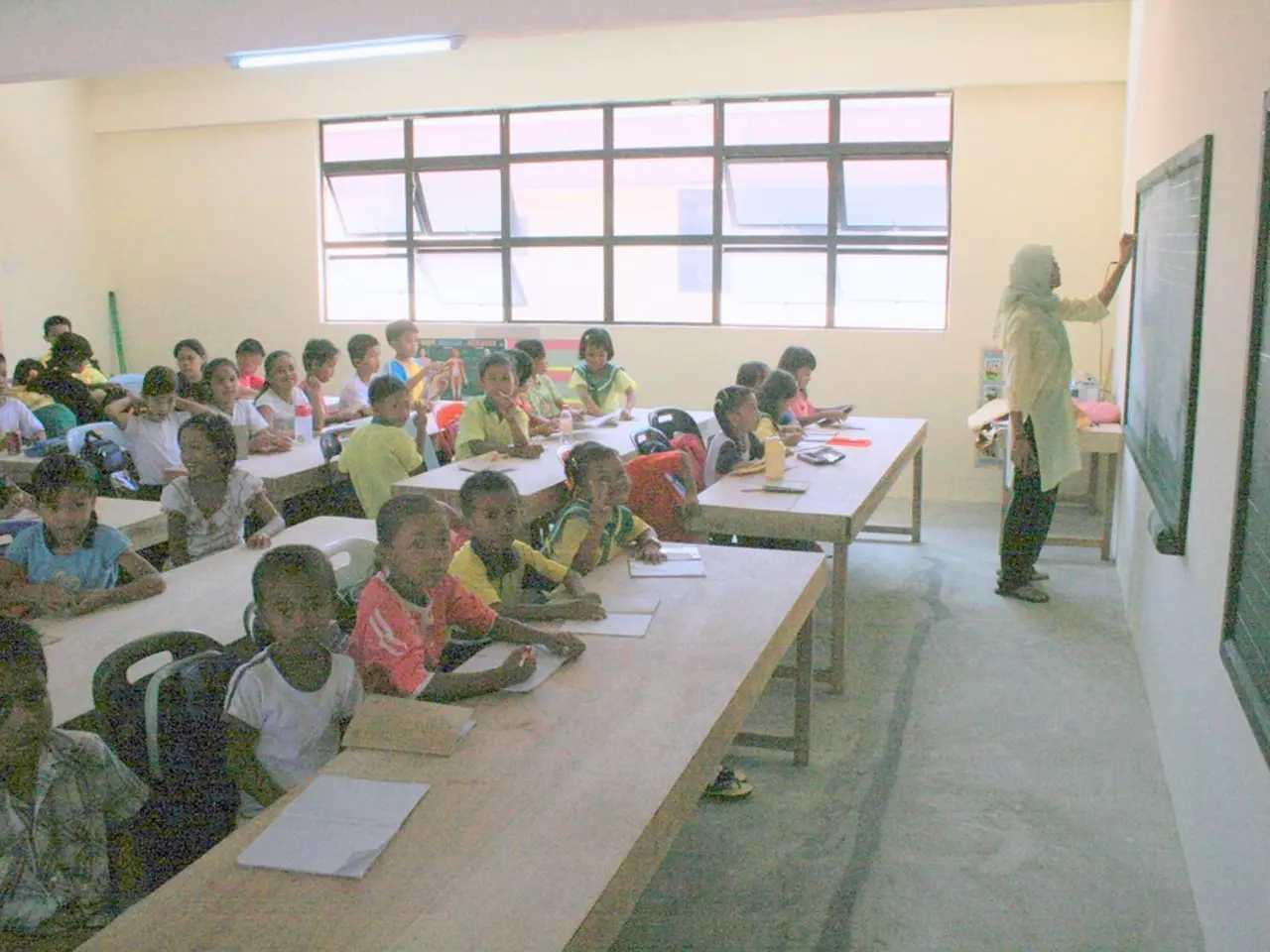
Ghana’s government is stepping up efforts to improve informal education across the country. Under President John Mahama’s leadership, the Reset Ghana initiative aims to make quality learning accessible to all, especially those outside the formal school system. The Complementary Education Agency (CEA) has been given new resources to tackle illiteracy and empower communities nationwide.
Daniel Kwesi Ashiamah, Acting Executive Director of CEA, recently addressed Regional Directors during a workshop. He stressed the need for stronger collaboration to boost education standards. The meeting allowed officials to share best practices and plan future initiatives.
Ashiamah highlighted the role of informal education in promoting literacy and community development. He urged stakeholders to work together, calling unity essential for CEA’s success. The Mahama administration has already increased funding for the agency under the Reset Ghana program.
New investments include expanded teacher training, better learning materials, and wider community outreach. These steps aim to reduce illiteracy and support adult literacy, vocational training, and local education projects.
The government’s push for improved informal education is now backed by fresh funding and resources. CEA’s expanded programs will focus on literacy, skills training, and community-based learning. Officials say collective effort will be key to achieving a more educated and empowered Ghana.
Read also:
- Executive from significant German automobile corporation advocates for a truthful assessment of transition toward electric vehicles
- Crisis in a neighboring nation: immediate cheese withdrawal at Rewe & Co, resulting in two fatalities.
- United Kingdom Christians Voice Opposition to Assisted Dying Legislation
- Democrats are subtly dismantling the Affordable Care Act. Here's the breakdown