
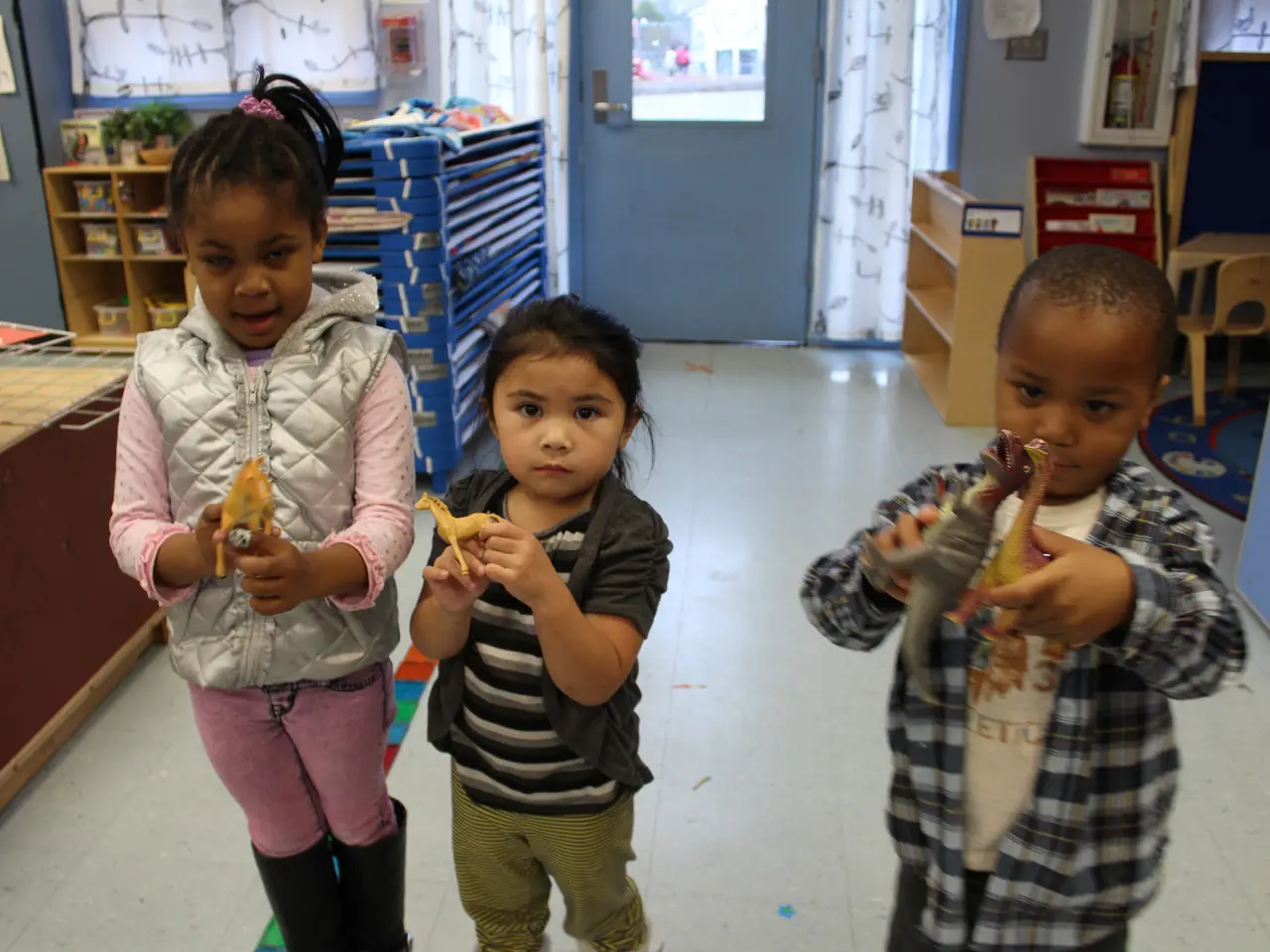
Germany's Schools Fail Multilingual Students Despite Proven Benefits
Germany's education system is struggling to support its growing number of multilingual students. Designed primarily for monolingual, German-speaking children, the current approach often leaves multilingual learners at a disadvantage. Studies reveal that these students perform worse on average, despite research showing that multilingualism itself can boost cognitive and academic skills.
With nearly one in five children speaking another language at home—and nearly half of immigrant-background students doing so—the need for change is clear. Yet many teachers feel unprepared to adapt, viewing linguistic diversity as a challenge rather than an opportunity.
For over two decades, multilingual students in Germany have shown inconsistent results in international assessments like PISA and IGLU. Performance gaps stem not from multilingualism itself but from factors like socioeconomic background, teacher training, and the quality of language support. Students with strong home-language skills and well-trained teachers tend to outperform those without these advantages. However, the system often pushes students to speak German exclusively, ignoring evidence that leveraging their existing languages actually speeds up learning.
Contrary to common assumptions, multilingualism does not overwhelm children. Language development varies naturally among all learners, whether monolingual or multilingual. Research even suggests that multilingual individuals develop stronger problem-solving abilities and a deeper understanding of how language works. Yet teachers frequently report feeling ill-equipped, leading to frustration and missed opportunities in the classroom. Shifting to multilingual teaching methods could transform outcomes. Schools that integrate students' home languages see improvements in motivation, self-confidence, and academic engagement. These approaches also sharpen reading, writing, and linguistic awareness for *all* students—not just multilingual learners. However, embracing this change requires teachers to accept uncertainty and rethink traditional classroom control. The numbers highlight the urgency: 18% of German students speak another language at home, rising to 48% among those with immigrant roots. Without systemic adjustments, these students will continue to face unnecessary barriers—despite the proven benefits of their linguistic skills.
The evidence points to a clear path forward: Germany's schools must move beyond a monolingual model. By training teachers, supporting home languages, and adopting inclusive methods, the system could turn linguistic diversity into an asset rather than a hurdle. The result would be higher achievement for multilingual students—and stronger skills for their classmates as well.
Read also:
- Executive from significant German automobile corporation advocates for a truthful assessment of transition toward electric vehicles
- Crisis in a neighboring nation: immediate cheese withdrawal at Rewe & Co, resulting in two fatalities.
- United Kingdom Christians Voice Opposition to Assisted Dying Legislation
- Democrats are subtly dismantling the Affordable Care Act. Here's the breakdown