Germans fail to recognize most native mushrooms, study reveals
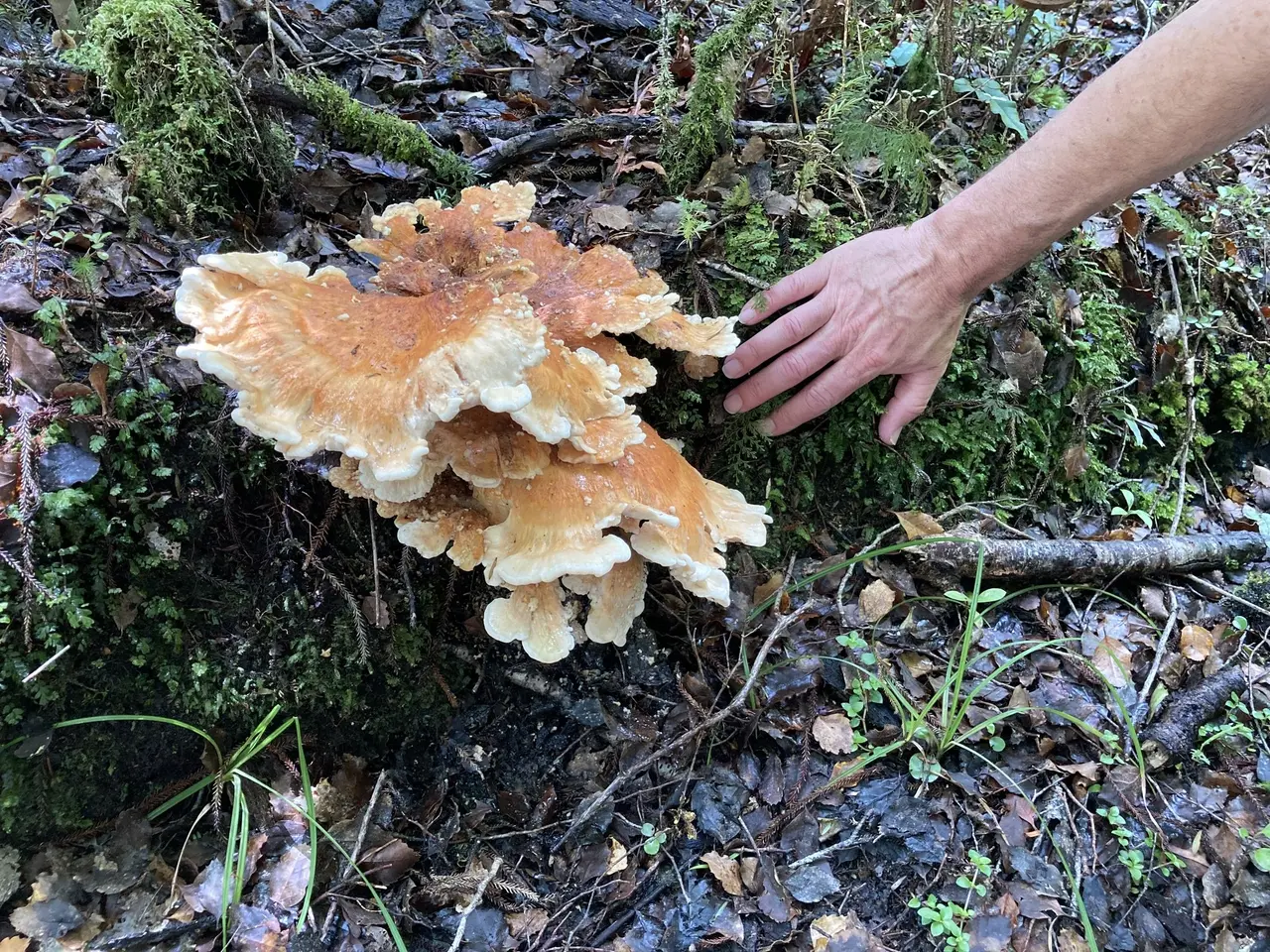
A recent study by the University of Trier has revealed a striking gap in Germans' knowledge of local mushrooms. Most participants struggled to name even a few species, with many unable to identify edible varieties. The findings highlight a broader lack of awareness about fungi and their ecological role.
The research involved showing participants images of native mushroom species. On average, they correctly identified just 16.7 percent of them. Over a quarter could not name a single species, while 70 percent failed to list five different types.
Many also mistakenly classified fungi as plants. Only around one-third could accurately judge which mushrooms were safe to eat. Lead researcher Ina Schanz stressed that this limited knowledge poses risks for both conservation and foraging safety. In response, the university is now developing a teaching module for schools. The aim is to educate students about fungi's importance in ecosystems and improve species recognition.
The study exposes a widespread unfamiliarity with Germany's native mushrooms. With most people unable to identify common species, the new school programme seeks to address this knowledge gap. Better awareness could support conservation efforts and reduce the dangers of misidentifying wild mushrooms.
Read also:
- Executive from significant German automobile corporation advocates for a truthful assessment of transition toward electric vehicles
- Crisis in a neighboring nation: immediate cheese withdrawal at Rewe & Co, resulting in two fatalities.
- United Kingdom Christians Voice Opposition to Assisted Dying Legislation
- Democrats are subtly dismantling the Affordable Care Act. Here's the breakdown