GCU's Massive Emergency Simulation Puts Future Nurses and EMTs to the Test
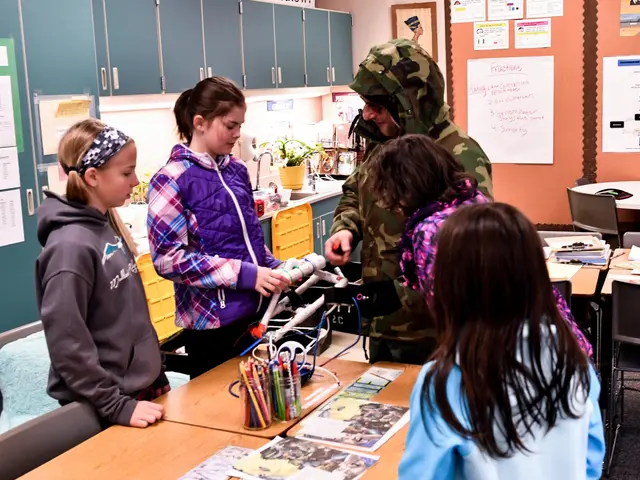
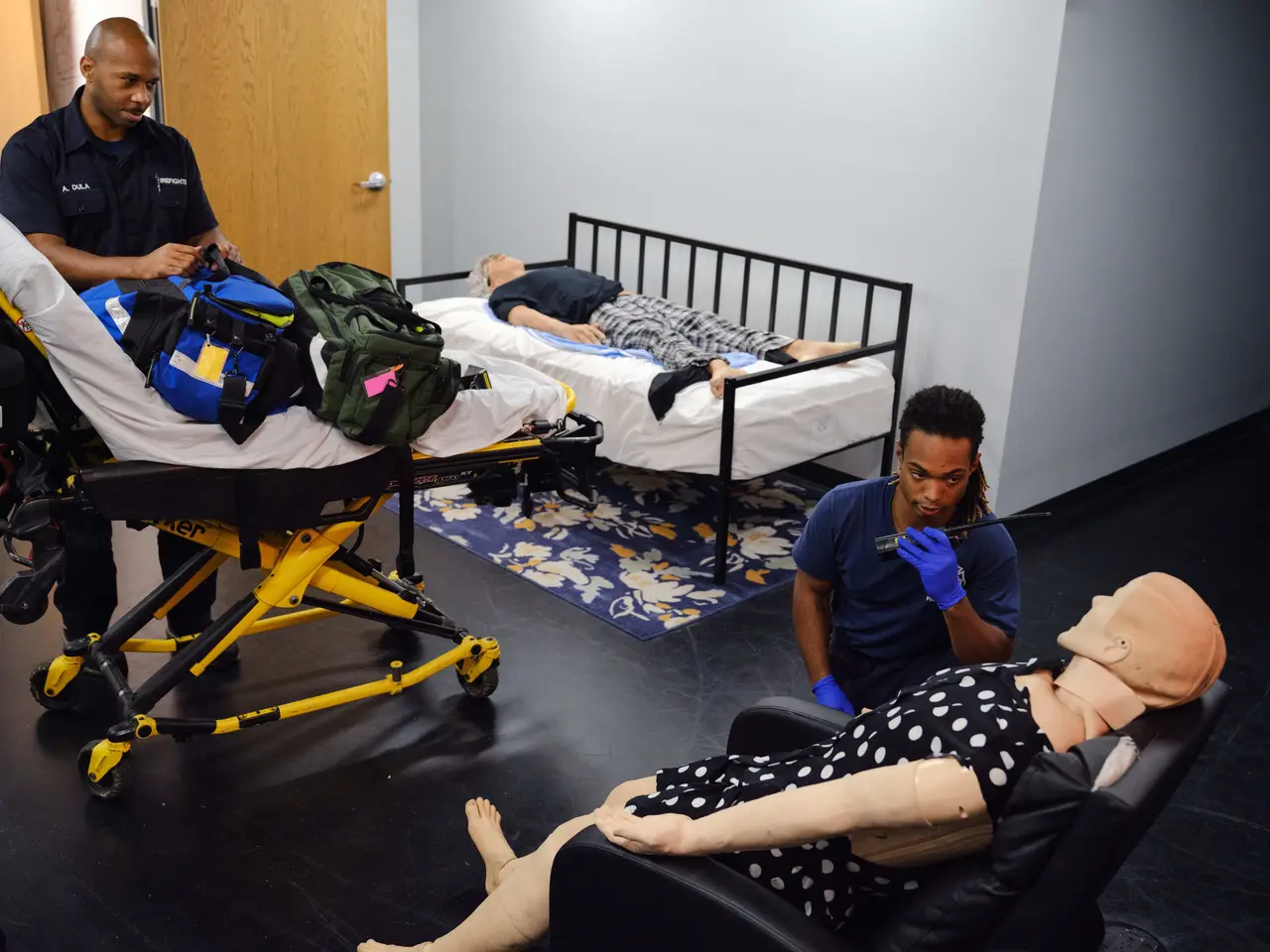
A large-scale emergency simulation took place at Grand Canyon University (GCU) over the weekend. The event brought together more than 40 student nurses and emergency medical technicians (EMTs) for hands-on training in a realistic crisis scenario. Organised by the Student Nurses Association and GCU EMS, the exercise turned parts of the campus into a live clinical environment. The simulation unfolded as a full emergency response drill. EMS teams answered mock distress calls, assessed patients, and transported them to a makeshift GCU Emergency Department. Student actors played the roles of patients, presenting a range of injuries and conditions to test participants' skills.
Senior nursing students took the lead in triaging cases, making quick decisions about care priorities. Over 10 faculty advisors were on hand, offering real-time guidance without taking over. The focus remained on teamwork, clinical reasoning, and performing under pressure.
GCU EMS, a student-run service that handles campus medical emergencies, worked alongside nursing students throughout the event. The collaboration mirrored real-world emergency workflows, from initial response to hospital handover. The exercise provided practical experience for future healthcare professionals. Participants practised critical skills in a controlled but high-stakes setting. While no past participation numbers were available for comparison, organisers emphasised the value of such immersive training for building confidence in emergency care.
Read also:
- Executive from significant German automobile corporation advocates for a truthful assessment of transition toward electric vehicles
- Crisis in a neighboring nation: immediate cheese withdrawal at Rewe & Co, resulting in two fatalities.
- United Kingdom Christians Voice Opposition to Assisted Dying Legislation
- Democrats are subtly dismantling the Affordable Care Act. Here's the breakdown