First-Gen Students Enroll but Struggle to Graduate at Equal Rates
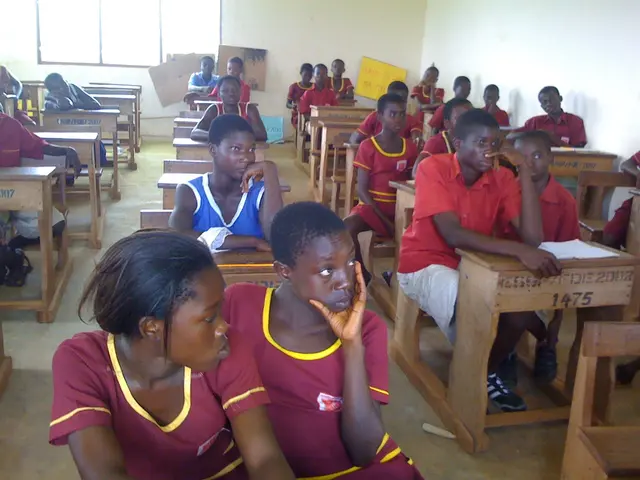
First-generation university students face persistent challenges in completing their degrees, despite enrolling at similar rates to their peers. New findings show these students are 10 percentage points less likely to earn a bachelor's within six years, even when attending the same institutions as continuing-generation students.
Over 90% of first-generation applicants enrol in higher education within six years of applying, matching the rates of their peers. However, their journey often differs: they are slightly more likely to delay entry or start at a two-year college rather than a four-year institution.
Graduation gaps remain even when accounting for financial constraints or academic preparation. While about 70% of first-generation students complete a degree within six years, this falls short of the 86% success rate for continuing-generation students. The disparity persists regardless of income level or prior academic performance. Many first-generation students invest significant time and money into their studies only to leave without a qualification. They are twice as likely as their peers to drop out before earning a degree. Researchers note that higher per-student spending at universities does correlate with better outcomes for this group, suggesting targeted investment could make a difference.
The data highlights a clear pattern: first-generation students enrol at similar rates but complete degrees at lower rates than their peers. Without additional support, many risk leaving university with debt but no degree. Institutions with greater resources appear better equipped to help these students succeed.
Read also:
- Executive from significant German automobile corporation advocates for a truthful assessment of transition toward electric vehicles
- United Kingdom Christians Voice Opposition to Assisted Dying Legislation
- Democrats are subtly dismantling the Affordable Care Act. Here's the breakdown
- Financial Aid Initiatives for Ukraine Through ERA Loans