Europe's survival may depend on a bold federal leap forward
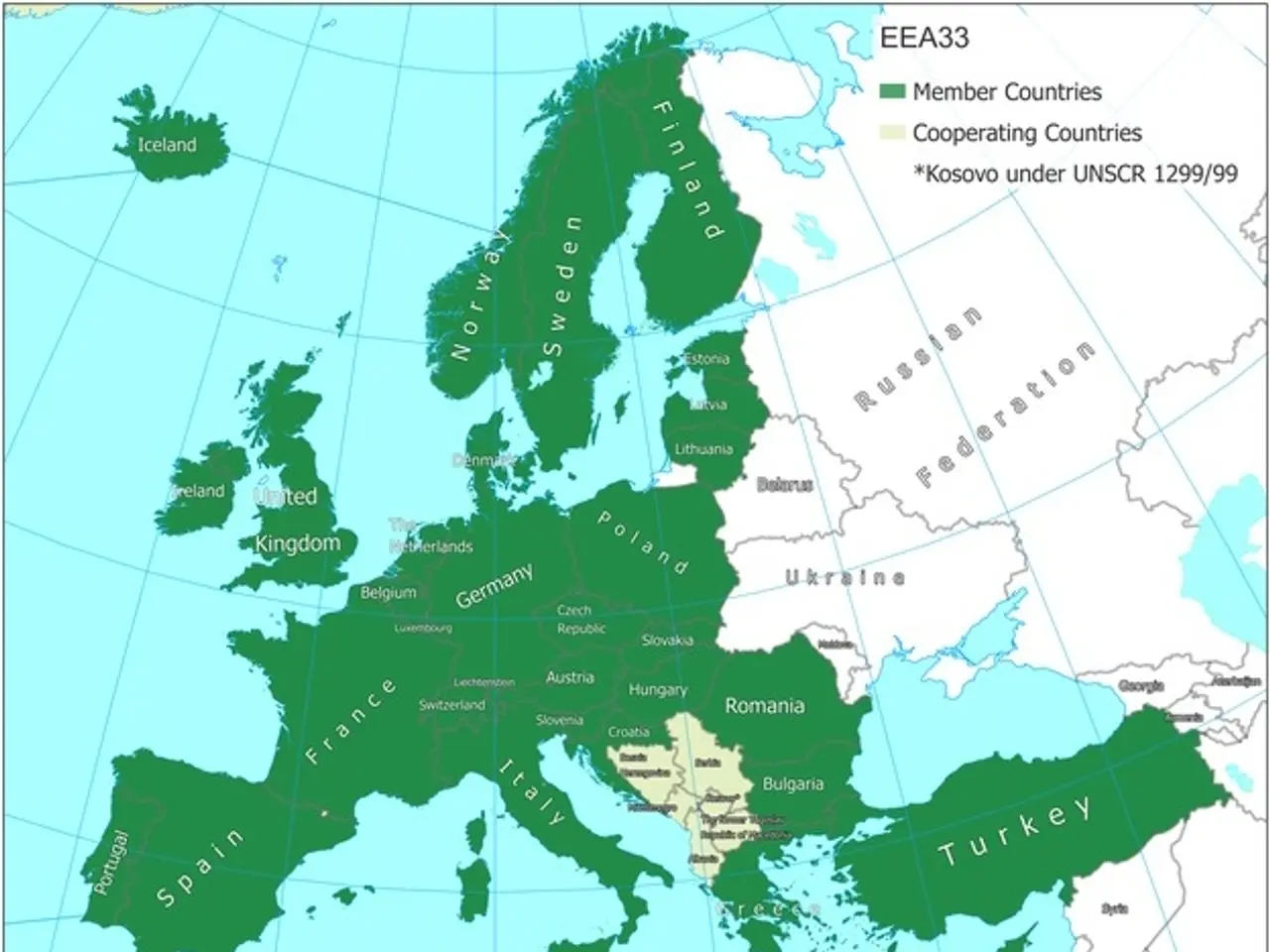
Europe faces growing pressure to rethink its future. With shifting US policies under Donald Trump and rising geopolitical threats, calls for a unified European Federation have gained urgency. Supporters argue that only a federal structure can secure the continent's long-term security, freedom, and prosperity.
The idea is not new. Historical leaders like Winston Churchill, Konrad Adenauer, and Robert Schuman once championed a united Europe. Yet today, no EU member has taken concrete steps toward federal defence—leaving the continent fragmented and dependent on others.
Europe's current defence system remains inefficient. Each country operates its own tanks, jets, and warships, making cooperation difficult. A combined EU defence budget would reach around €350 billion in 2024—far more effective if managed under a single federal structure. This could also reduce reliance on the US and speed up crisis response.
The European Union was built to ensure peace, but economic and political ties alone are no longer enough. A federal Europe would allow shared leadership, integrated armed forces, and stronger resistance to threats like Russia. It could also boost the defence industry, enabling joint development of advanced weapons and cutting-edge technology.
Some nations are already moving toward closer cooperation. Germany has launched a €500 billion defence fund and a new security strategy. France has pushed for deeper ties through the Aachen Treaty and proposed a European nuclear shield. EU-wide plans like Bereitschaft 2030 and the European Defence Agency's initiatives show growing momentum.
A federation could also strengthen democracy. A bicameral European parliament with real decision-making power might help counter populism. Pan-European political parties could give citizens a stronger voice in shaping the continent's future.
Without a federal structure, Europe risks staying divided and vulnerable. A unified defence policy, shared leadership, and integrated forces could change that. The question now is whether member states will take the first steps—or remain dependent on outside powers.
Read also:
- Executive from significant German automobile corporation advocates for a truthful assessment of transition toward electric vehicles
- United Kingdom Christians Voice Opposition to Assisted Dying Legislation
- Democrats are subtly dismantling the Affordable Care Act. Here's the breakdown
- Financial Aid Initiatives for Ukraine Through ERA Loans