Europe’s bold fixes: From Fortnite democracy to green hydrogen exports
Across Europe, new initiatives are tackling challenges in education, housing, and sustainability. In Germany, a university project uses Fortnite to teach democracy, while Hamburg turns empty offices into affordable homes. Meanwhile, France funds music through streaming taxes, and Scotland eyes green hydrogen exports to Germany.
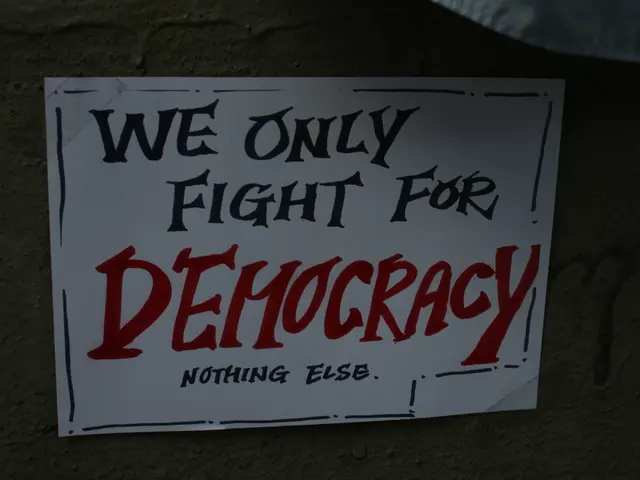
A team at the University of Kaiserslautern has built a political education space inside Fortnite. Led by Hauke Wiemer, the Projekt Reload Democracy transforms the game into a child-friendly tool for learning about civic engagement. The experiment aims to make democracy education more accessible through mass gaming.
In Hamburg, a vacant office building is being converted into housing for people with disabilities. The project cuts costs by skipping non-essential standards, offering rents as low as €9 per square metre. Officials hope this model will ease the city’s housing shortage.
France’s streaming tax has collected roughly €10 million so far. The funds now support hundreds of music projects, helping artists and producers across the country. The levy targets major platforms to reinvest in local culture.
Nice has banned large cruise ships from its port, blaming overtourism for pollution and littering. The move follows complaints from residents about crowded streets and environmental damage. Smaller vessels will still be allowed under stricter rules.
Scotland plans to export green hydrogen to Germany using surplus wind energy. The project would turn excess electricity into hydrogen, offering a cleaner fuel alternative. Talks are underway to finalise logistics and infrastructure.
A startup is producing meat substitutes from fermented mushrooms. The process uses fewer resources than traditional farming and can be done almost anywhere. Developers say the product mimics meat’s texture and taste while cutting environmental impact.
Near Aachen, a high school has introduced flexible start times. Early results show better student well-being and academic performance. Teachers report fewer absences and higher concentration in morning classes.
Europe’s used wind turbine market is growing, creating a second-hand trade. Older models from upgraded farms are being resold or repurposed, reducing waste. Buyers include smaller operators and developing regions looking for cheaper renewable options.
At 89, Holocaust survivor Gidon Lev shares his story on TikTok. His short videos have reached hundreds of thousands of young users, keeping historical memory alive. Lev answers questions and describes his experiences in an effort to combat misinformation.
These developments show varied approaches to modern problems. From gaming-based education to sustainable energy and housing solutions, the projects aim for practical results. Many will track their long-term effects in the coming years.
Read also:
- Executive from significant German automobile corporation advocates for a truthful assessment of transition toward electric vehicles
- United Kingdom Christians Voice Opposition to Assisted Dying Legislation
- Democrats are subtly dismantling the Affordable Care Act. Here's the breakdown
- Financial Aid Initiatives for Ukraine Through ERA Loans