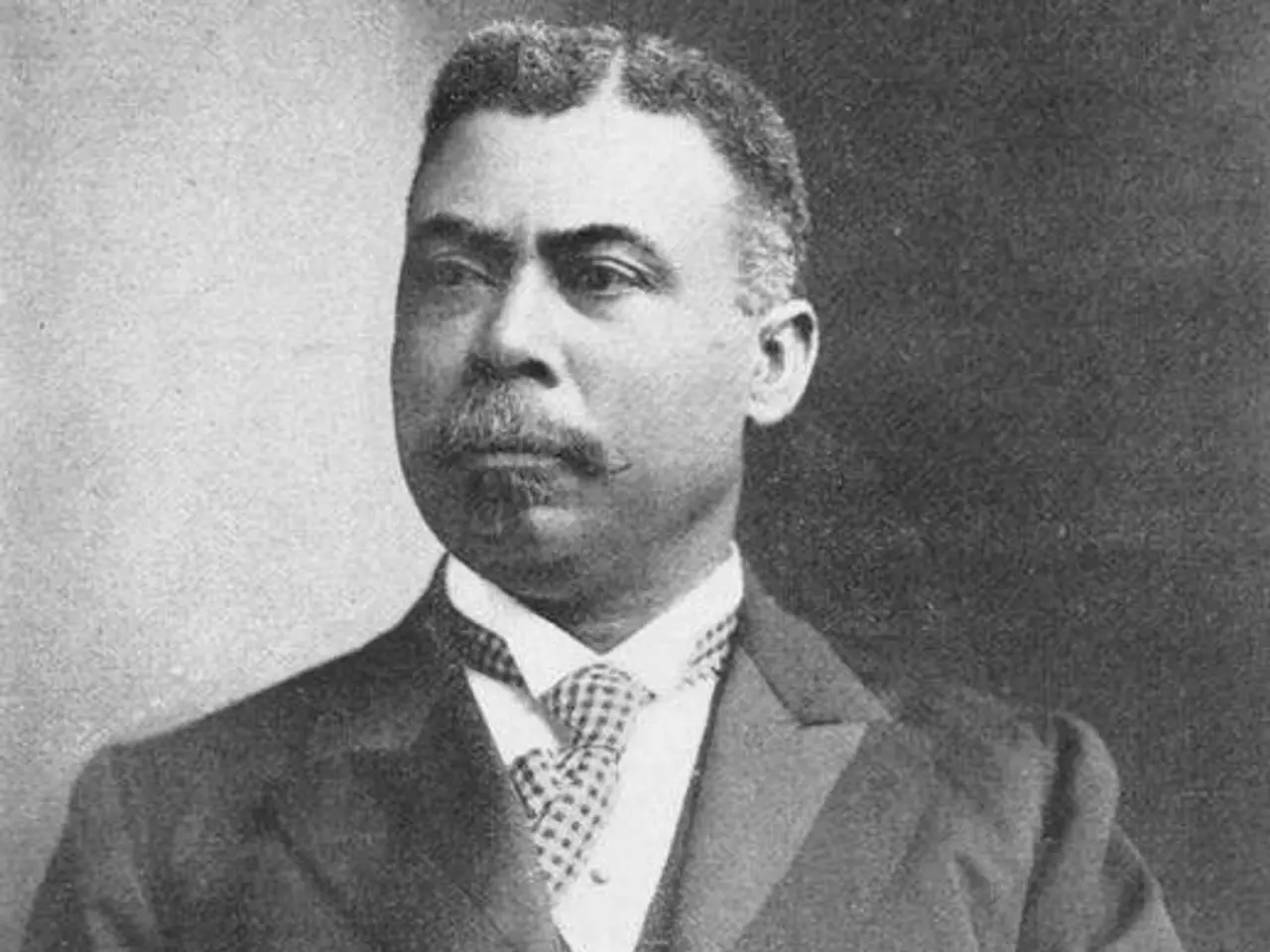
Ernest McMillan, Dallas civil rights icon, dies on day honoring his grandfather's legacy
Civil rights leader Ernest McMillan passed away on Friday, the same day a historical marker honoured his grandfather. Born in 1944, McMillan grew up in Freedman's Town, a historic Black neighbourhood in Dallas, and became a key figure in the city's fight for equality during the 1960s. McMillan's early life was rooted in activism. Raised in the State/Thomas area, he joined the civil rights movement as a young man. By the mid-1960s, he led the Dallas chapter of the Student Nonviolent Coordinating Committee (SNCC), eventually becoming its chairman.
In a 2014 KERA documentary, he reflected on his younger self, calling himself 'young, wild, naive' during those years. Despite the struggles of the movement, he remained known for treating everyone with kindness and dignity. His approach extended beyond protests—he mentored younger activists like Judah Agbonkhina and encouraged open discussions within the community. Beyond activism, McMillan explored spiritual traditions tied to his African and Indigenous heritage. His niece, Anyika McMillan-Herod, remembered his love for John Coltrane's *A Love Supreme*, a reflection of his deep, contemplative nature. Later in life, he published two books with Dallas-based Deep Vellum Books: *Kneeling* and *Standing*, capturing his experiences and insights. His grandfather, Dr. Walter McMillan, had also left a lasting mark on Dallas. In the 1920s, he established the city's first Black hospital, McMillan Sanitarium, a milestone in local medical history.
McMillan's death coincides with the recognition of his family's legacy. The historical marker unveiled on Friday celebrates his grandfather's contributions, while his own work in civil rights and literature remains influential. His life's impact continues through the communities he inspired and the stories he shared.
Read also:
- Executive from significant German automobile corporation advocates for a truthful assessment of transition toward electric vehicles
- Crisis in a neighboring nation: immediate cheese withdrawal at Rewe & Co, resulting in two fatalities.
- United Kingdom Christians Voice Opposition to Assisted Dying Legislation
- Democrats are subtly dismantling the Affordable Care Act. Here's the breakdown