Einsiedelstraße: How a Ferry Crossing Became Lübeck's Industrial Heartbeat
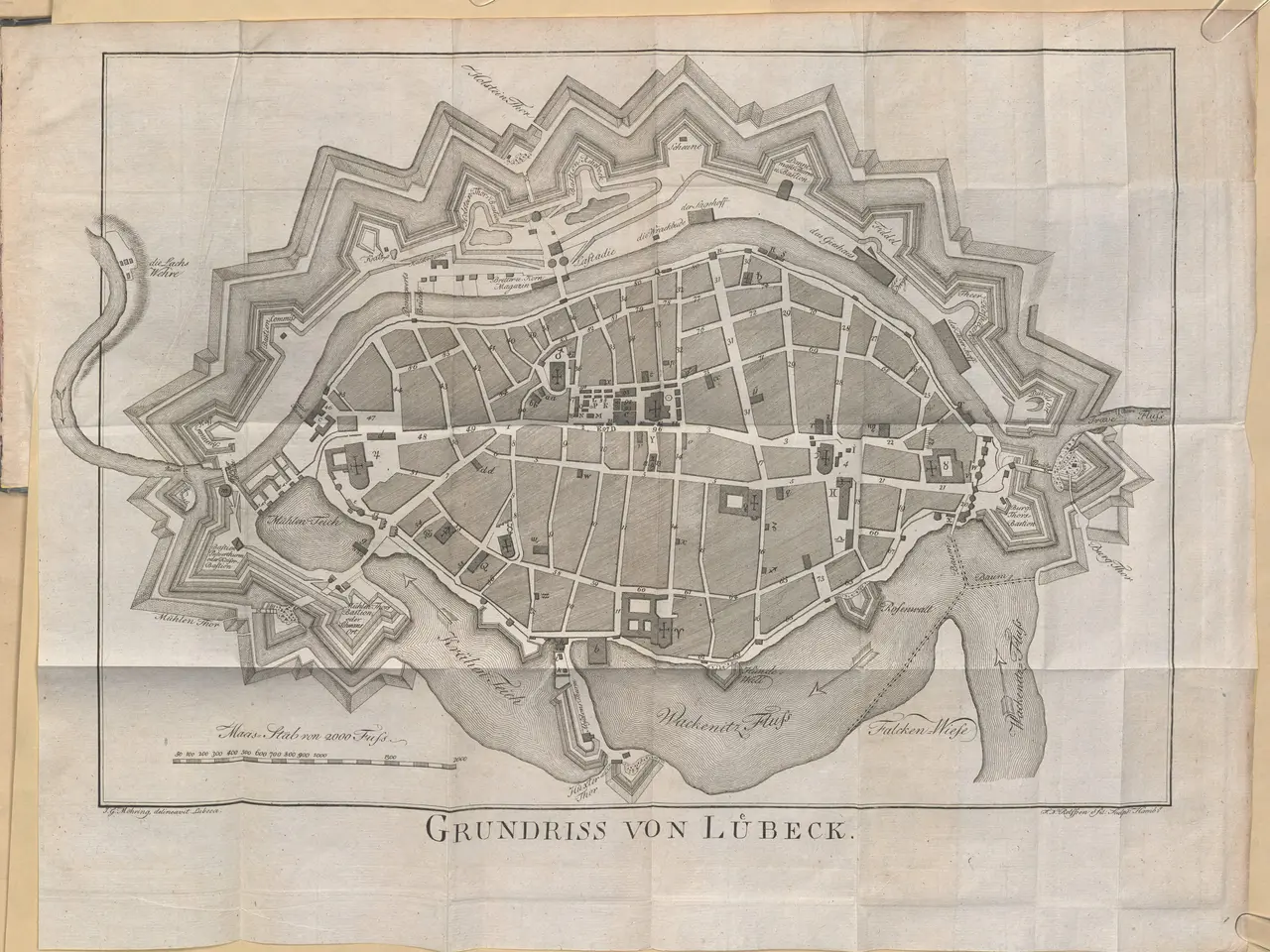
Einsiedelstraße in Lübeck has grown from a simple ferry crossing into a vital inner-city route. Today, the street blends industrial sites, businesses, and homes while retaining traces of its past. Among its landmarks is a preserved air-raid bunker from the era of Lübeck Machine Works.
The street's origins trace back to a hermit living on the northern bank of the Trave. This recluse likely ran a ferry service, which later became known as Einsegel—a ferry house that gave rise to the street's name. Over time, the area evolved into Einsiedelstraße, a key thoroughfare in the St. Lorenz Nord district.
Multiple renovations have reshaped the street, including upgrades to roadways and bridges such as Karlstraße and the Karlstraße Bridge. These changes supported its role as a major traffic route. Alongside its transport function, the street now hosts a mix of industrial, commercial, and residential buildings.
Modern uses include the Hafenamt at Einsiedelstraße 6, serving as the port authority, and Kulturwerft Gollan, a venue for cultural events. Nearby, the historic Schlösschen Bellevue—built in 1756 as a summer residence—later became an industrial site for a wood merchant in 1878, benefiting from water and rail links.
Einsiedelstraße remains a central part of Lübeck's urban landscape. Its combination of transport infrastructure, businesses, and historical sites reflects both its industrial heritage and current importance. The preserved bunker and cultural venues add to its significance as a multifunctional area.
Read also:
- Executive from significant German automobile corporation advocates for a truthful assessment of transition toward electric vehicles
- Crisis in a neighboring nation: immediate cheese withdrawal at Rewe & Co, resulting in two fatalities.
- United Kingdom Christians Voice Opposition to Assisted Dying Legislation
- Democrats are subtly dismantling the Affordable Care Act. Here's the breakdown