Chronic boredom may shorten your life and harm your health
Long-term boredom could pose serious risks to health, including a higher chance of premature death. Research suggests it may also contribute to heart problems and depression. Yet not all boredom is harmful—occasional bouts can even encourage creativity, especially in young people. Certain groups face a greater risk of chronic boredom. Women, younger individuals, and those in lower employment grades are more likely to experience it. Poor health, a lack of exercise, and conditions like Alzheimer's disease also play a role. People with ADHD, depression, or traumatic brain injuries may find themselves more prone to persistent boredom.
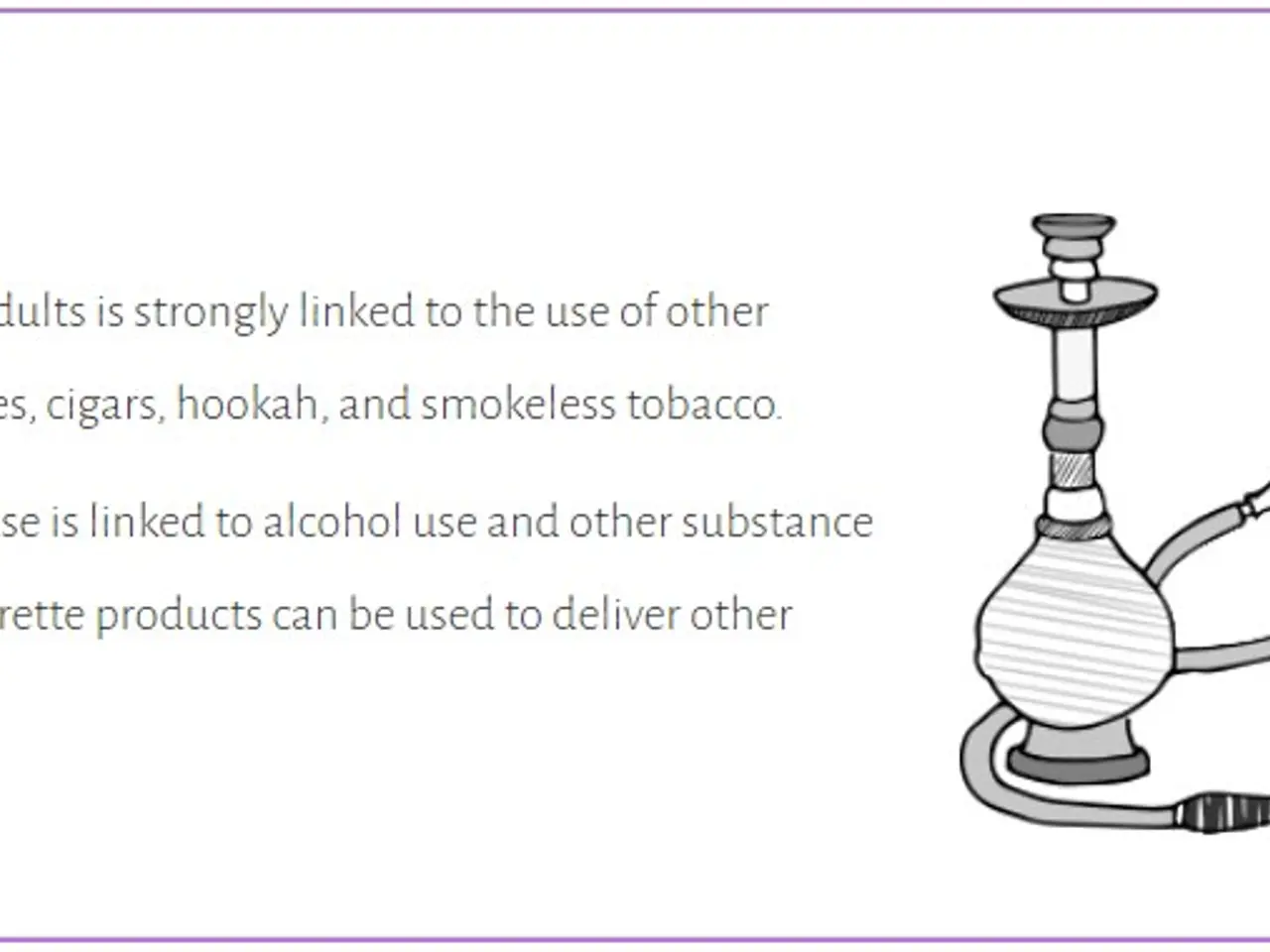
Chronic boredom can lead to unhealthy habits. Smoking, excessive drinking, and binge eating often become coping mechanisms. Over time, these behaviours raise the risk of cardiovascular disease. Stress hormones released during prolonged boredom further strain the heart, increasing the likelihood of a heart attack.
Simple changes can help reduce boredom's impact. Reading, cooking, or volunteering provide mental stimulation. Sticking to a daily routine also offers structure. For those struggling with mental health issues, talking to others or seeking professional support can make a difference. While occasional boredom can spark creativity, long-term effects are far more serious. It can shorten lifespan, worsen mental health, and encourage harmful lifestyle choices. Recognising the risks and taking small steps—like staying active or seeking help—can improve overall well-being.
Read also:
- Executive from significant German automobile corporation advocates for a truthful assessment of transition toward electric vehicles
- United Kingdom Christians Voice Opposition to Assisted Dying Legislation
- Democrats are subtly dismantling the Affordable Care Act. Here's the breakdown
- Financial Aid Initiatives for Ukraine Through ERA Loans