Carinthia’s SPÖ faces turmoil as Kaiser exits and Fellner steps into a divided party
Peter Kaiser, the former leader of the SPÖ in Carinthia, stepped down, marking the end of an era for the party. His resignation came after years of strong voter support, built on a political style that prioritised substance and consensus. The transition, however, has not been smooth, with internal tensions and strategic missteps already shaping the road ahead.
Daniel Fellner now takes over as the new SPÖ leader in the region, but Kaiser remains governor—for now. The change arrives at a critical time, as the party faces shifting voter loyalties and internal disagreements over future direction.
Kaiser’s leadership in Carinthia was defined by broad appeal, particularly among swing voters. His focus on democratic consensus and policy over rhetoric earned him steady approval. Political analyst Peter Filzmaier noted that while Kaiser’s resignation caught many off guard, whispers of behind-the-scenes manoeuvring had circulated for months. The ideal exit, Filzmaier suggested, would have been a quiet, well-timed handover—around a year before the 2028 state elections—rather than the public spectacle it became.
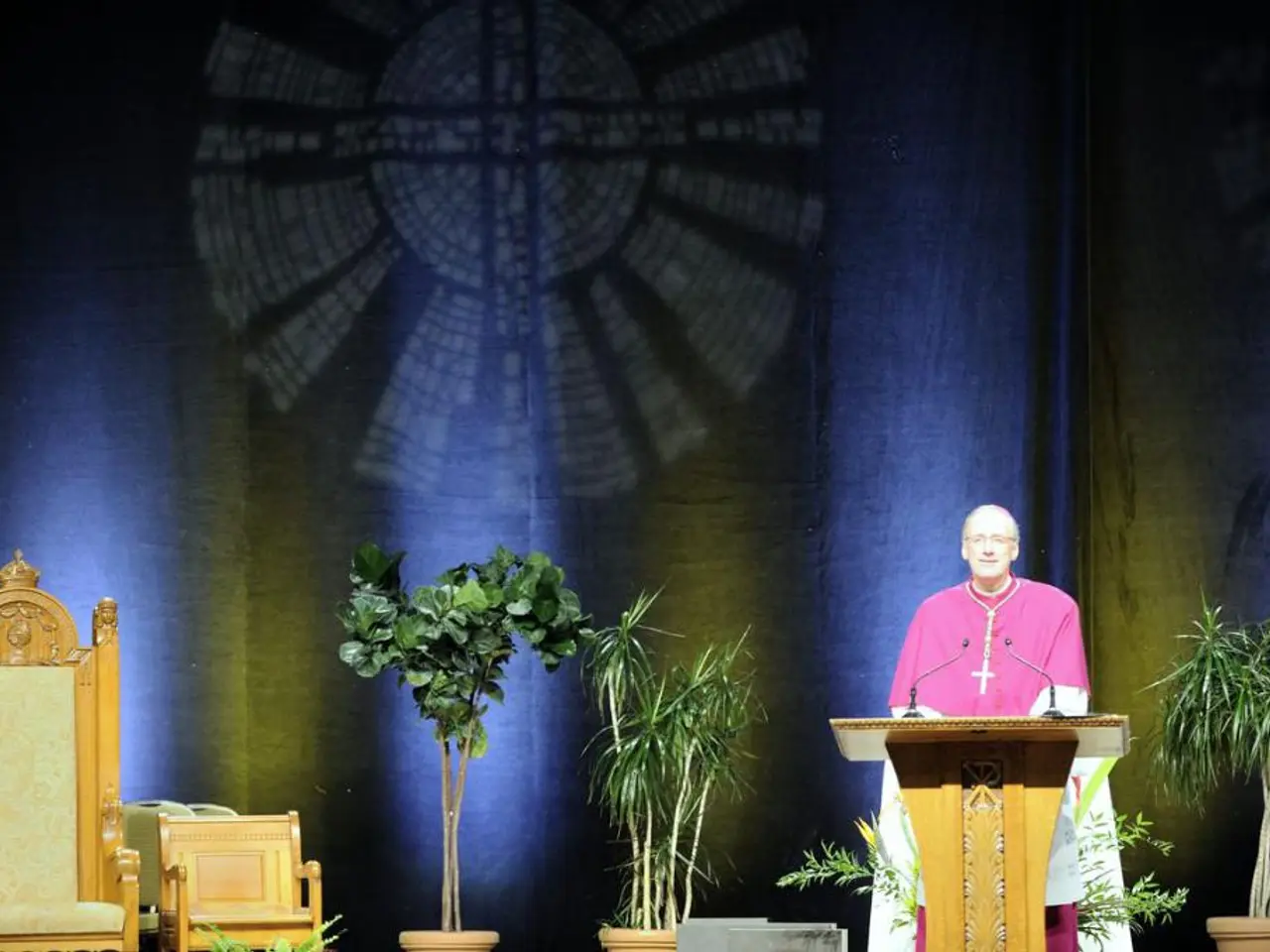
The SPÖ’s party conference swiftly elected Daniel Fellner as the new leader in September 2025, with over 96 percent of delegate votes in his favour. Yet party unity does not guarantee voter confidence. Fellner must now prove his appeal beyond internal support, especially as his stance on migration is more hardline than Kaiser’s. This shift risks alienating some of the swing voters who backed his predecessor.
Complicating matters further is Fellner’s strained relationship with the federal SPÖ leadership. Andreas Babler’s inconsistent signals about cooperation with the FPÖ have created uncertainty, weakening Fellner’s position before he could fully establish himself. The upcoming municipal and mayoral elections in February 2027, followed by the state vote in spring 2028, will test his ability to hold the party together.
Filzmaier also warned that Kaiser’s potential ambitions for higher office—such as a presidential run—could be hampered by Carinthia’s relatively small voter base. To succeed nationally, he would need a vision that extends beyond regional politics, something not yet clearly defined.
Fellner’s leadership will be measured by his ability to stabilise the SPÖ’s standing in Carinthia before the 2028 elections. The party’s dominance is no longer assured, with voter preferences growing more unpredictable. His challenge is twofold: maintaining Kaiser’s broad support while navigating internal divisions and a shifting political landscape. Kaiser’s legacy, meanwhile, remains tied to his regional influence—whether he can translate that into wider success depends on the steps he takes next.