Bangladesh's Bold Plan to Bring Dropouts Back to School by 2026
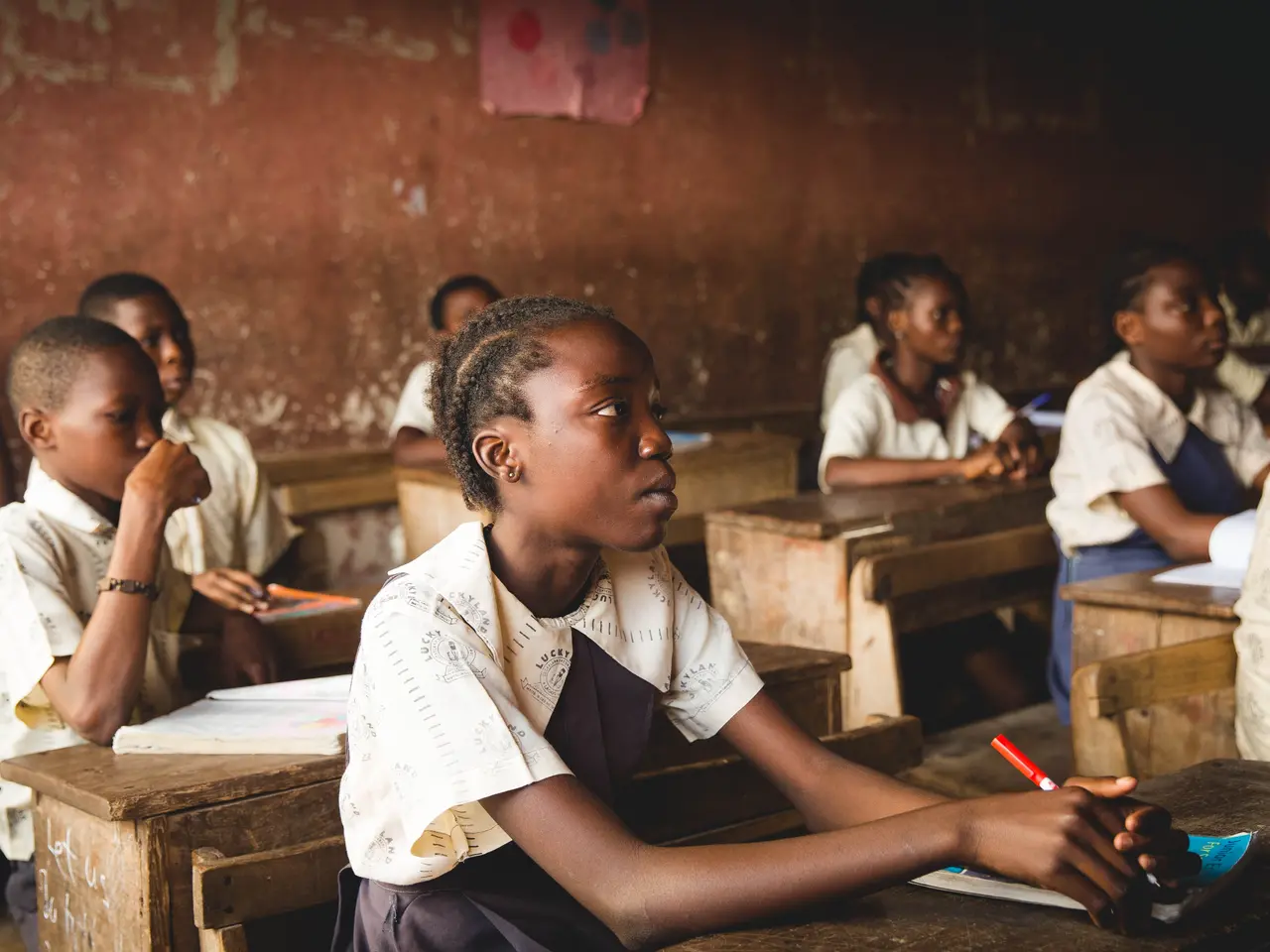
Bangladesh is set to launch a new education initiative for children who have dropped out of school. The Ministry of Primary and Mass Education has proposed a skills-focused programme to help them re-enter formal learning. If approved, the project will run from 2026 to 2028 across all 64 districts.
The programme, titled Alternative Learning Opportunities for Out-of-School Children, has been submitted to the Planning Commission for approval. Its main goal is to restore education access for marginalised children while preparing them for future jobs. Currently, 22.10% of Bangladeshis aged 15 and above remain illiterate, with many lacking even basic primary schooling.
The project will provide non-formal primary education combined with practical, livelihood-based skills. Activities include mapping surveys to identify out-of-school children, delivering tailored learning modules, and distributing educational materials. Monitoring will track progress throughout the three-year period.
Funding for the Tk 158.73 crore initiative will come mostly from the national budget (Tk 147.03 crore), with UNICEF contributing Tk 11.70 crore. The focus is on making education relevant to economic needs while helping children transition back into mainstream schools.
The initiative aims to reduce illiteracy and improve job readiness among excluded youth. If implemented, it will operate in selected upazilas nationwide from January 2026. The government and UNICEF's combined funding highlights the programme's priority in addressing education gaps.
Read also:
- Executive from significant German automobile corporation advocates for a truthful assessment of transition toward electric vehicles
- Crisis in a neighboring nation: immediate cheese withdrawal at Rewe & Co, resulting in two fatalities.
- United Kingdom Christians Voice Opposition to Assisted Dying Legislation
- Democrats are subtly dismantling the Affordable Care Act. Here's the breakdown